Thousand Oaks Garage Door Co
Garage Door Repair for the Houses Actually Built Around Thousand Oaks
Thousand Oaks Garage Door Co fixes springs, openers, and tracks on the 1956-1997 housing stock common from Newbury Park to Lake Sherwood and Oak Park.
- Licensed & Insured
- Same-Area Service Calls
- Upfront Pricing
What We Fix Most Here
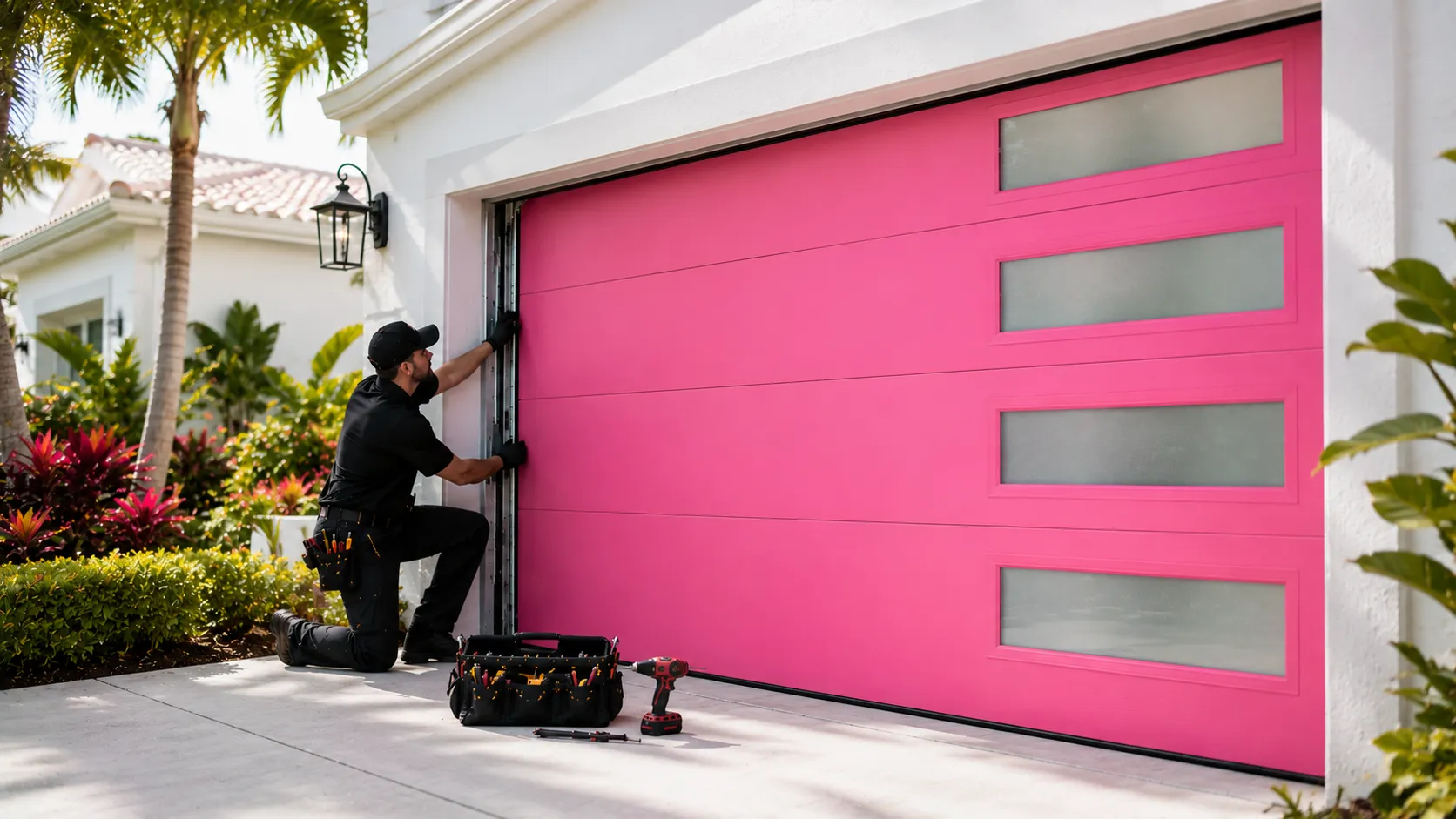
Most of the calls we take come from the same era of house: built somewhere between 1956 and 1997, with the bulk of the stock going up in the 1960s and 70s across the sixteen named pockets that make up this area, from the ranch-style tracts near Newbury Park to the hillside streets closer to Westlake Village and Oak Park. That range matters because it tells us what's on the other side of the door before we get there. A house from the late 60s usually has an extension-spring setup with the springs running along the horizontal track, while anything built after the mid-80s is more likely on torsion.
We see both, often on the same block, because these neighborhoods didn't get rebuilt in a single wave - they filled in over four decades. What we don't see much of anymore are the original openers. Chain-drive units from that era have mostly failed or been swapped once already, so a second opener replacement on a 1970s door isn't unusual.
Rollers, cables, and worn bottom brackets show up on doors that never got touched after the original install. If your door still has the builder-grade hardware from when the house went up, that's the first thing we look at.
What Gets Built Around Here
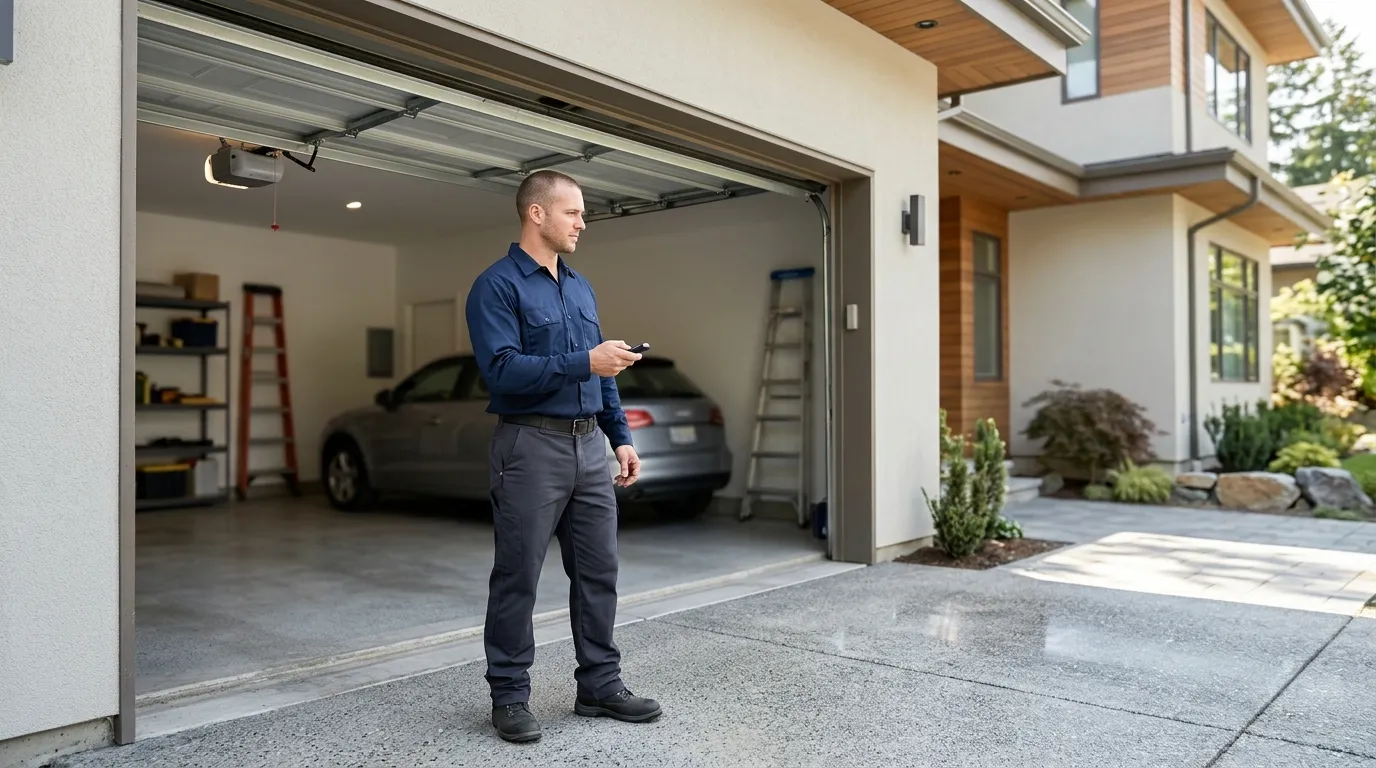
The median build year across this stretch of Thousand Oaks lands around 1976, and that number holds up when you drive the sixteen areas that make up the service territory - Santa Rosa Valley, Newbury Park two miles out, Lake Sherwood, Oak Park, and the rest strung out between four and nineteen miles from the center. It's a mild temperate climate here, which is a genuine advantage for garage door hardware: no deep freeze to crack seals, no monsoon humidity to warp panels. What does wear parts down over three or four decades is just plain cycling - a door that's opened and closed twice a day for fifty years puts a lot of miles on a torsion spring even without weather to blame.
So the failures we see tend to be age and fatigue, not storm damage. That's a simpler kind of job in some ways: predictable parts, predictable wear patterns, and doors that are usually original steel sectional panels rather than anything custom.
Who You Are Dealing With
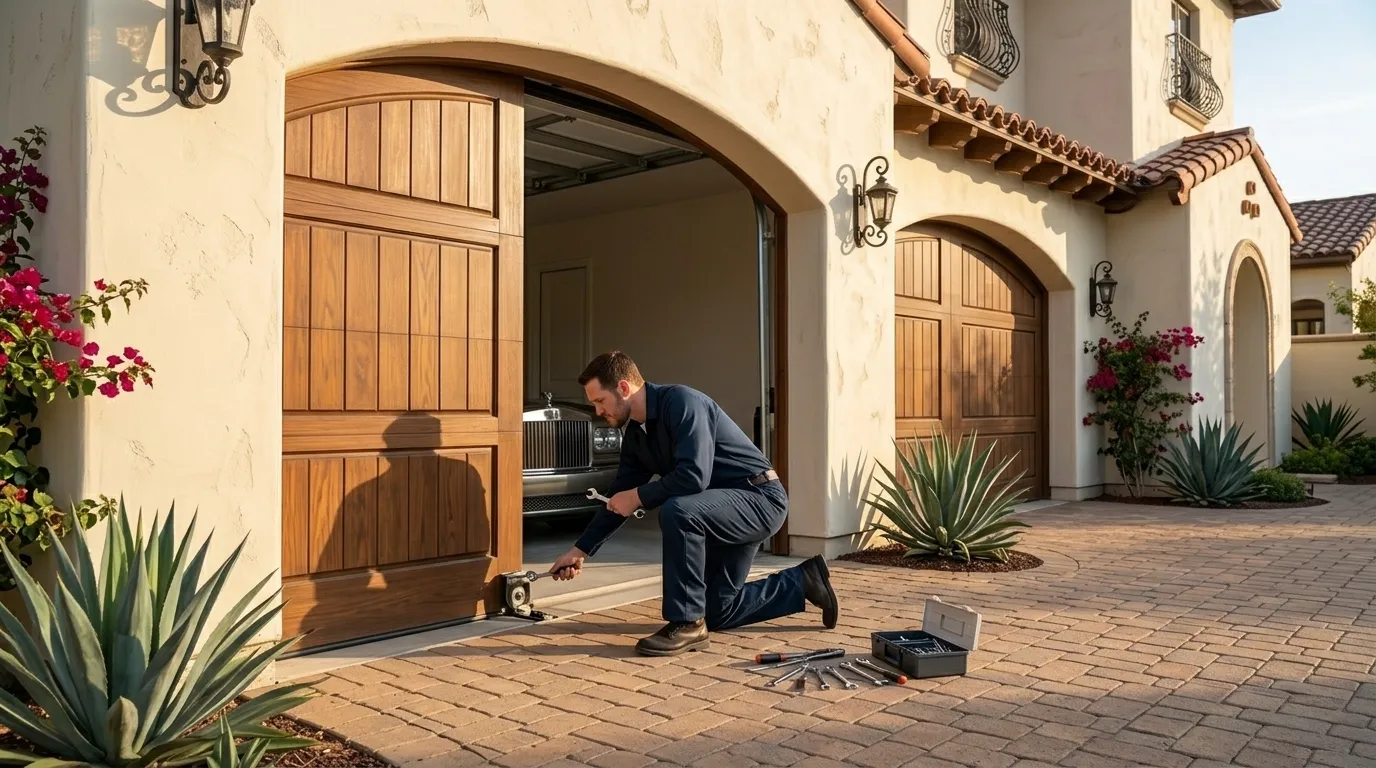
This is a single company working one service area, not a dispatch center routing you to whoever's closest. We work the doors that are common here - the sectional steel panels and torsion or extension setups that came standard on houses built between the late 50s and late 90s. The households in this area skew toward higher income, with a median around $146,710, and that shows up in what people ask for: more owners choosing full replacement over patching an old door together, insulated panels instead of the single-layer steel that shipped originally, and openers with battery backup rather than the cheapest unit on the shelf.
We'll tell you when a repair is the better call and when it isn't. A honest limitation: if your opener is an obsolete chain-drive model with a control board nobody makes anymore, we may not be able to get that exact part, and replacement will be the faster and cheaper path than chasing a discontinued board.
What You Pay For
We don't have a posted price list here, because a spring job on a 16-foot double door isn't the same job as a bent track on a single, and quoting blind does nobody favors. What we can tell you is how the cost breaks down: labor, the part itself, and in some cases a same-day trip if the part's in the truck versus a special order. Torsion springs sized for the heavier insulated doors that are more common in the higher-income pockets of this area - the 29,391 owner-occupied houses across roughly 58,984 households here - often run a different spring weight than the lighter extension setups on older tract homes, and that changes the part cost, not just the labor.
We'll give you the number before we start, not after. If a repair is going to cost close to what a new door runs, we'll say so instead of doing the repair anyway just to bill the visit.
How a Call Goes
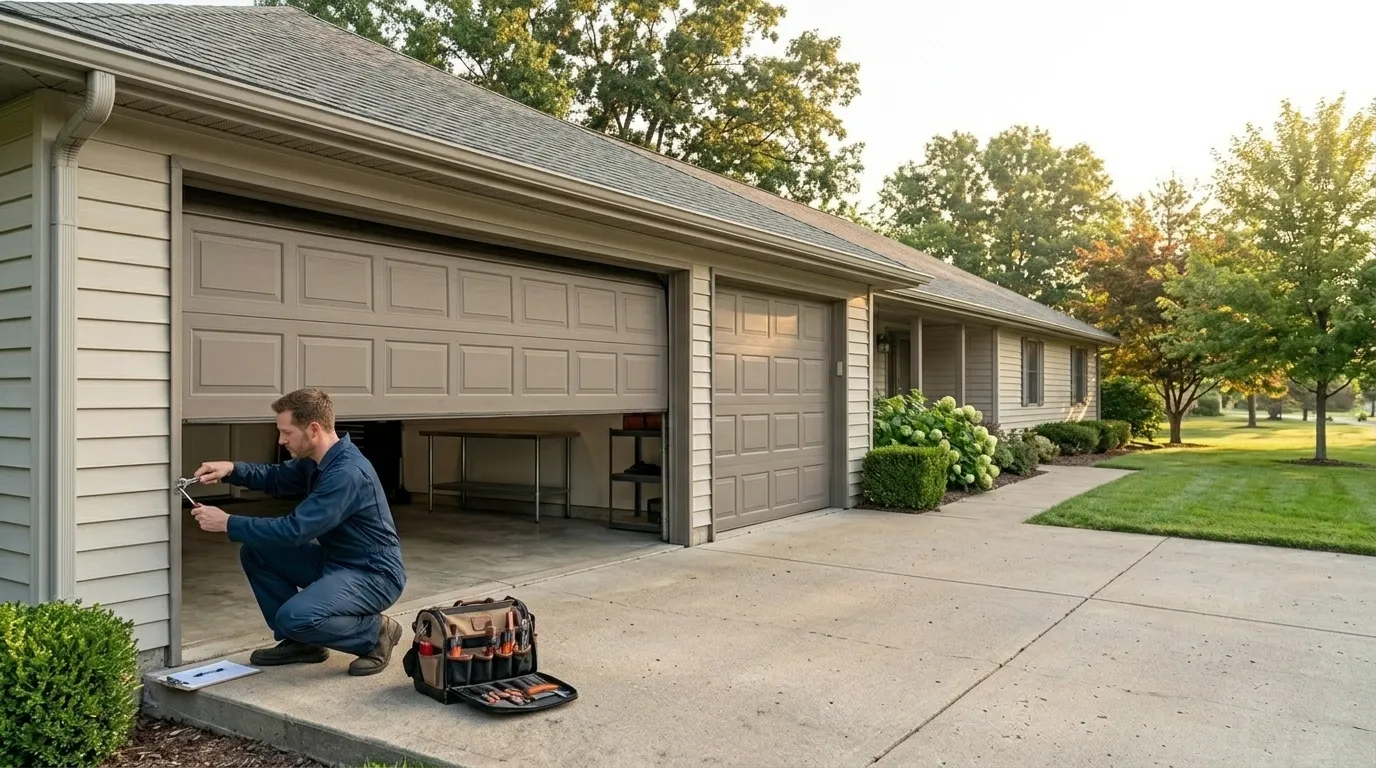
You call, you describe what the door's doing - won't open, opens and slams down, one side lower than the other, opener runs but the door doesn't move - and we ask enough questions to know roughly what we're walking into before the truck leaves. Given how much of the housing here dates to the 60s and 70s, a lot of those calls turn out to be the same handful of failures: a broken torsion spring on a door that hasn't been serviced since the original install, worn rollers on tracks that were never realigned, or a cable that finally gave out after decades of the same cycle.
We check the springs, the cables, the tracks, and the opener's force settings, and we tell you straight if it's a twenty-minute fix or something bigger. We don't upsell a full door replacement on a house where a spring swap will run it another ten years fine.
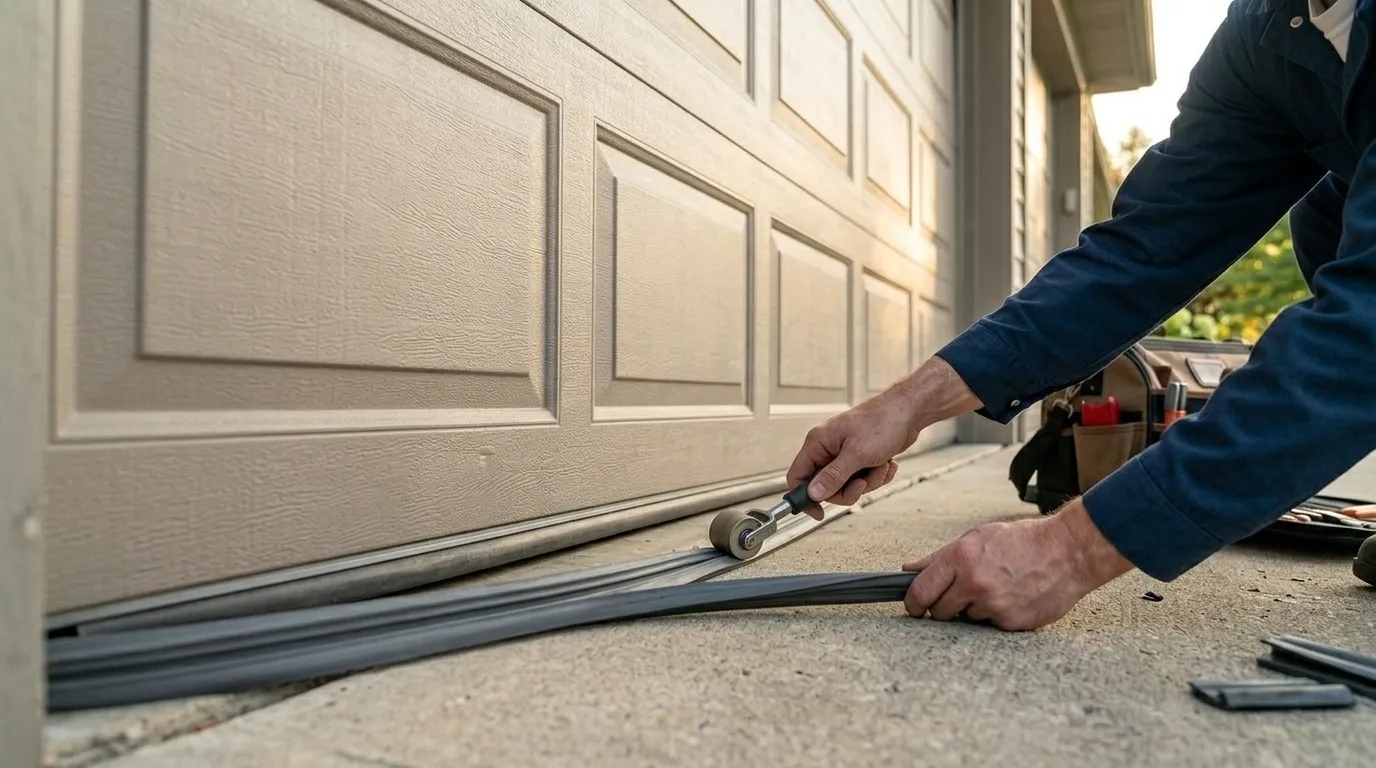
How We Can Help
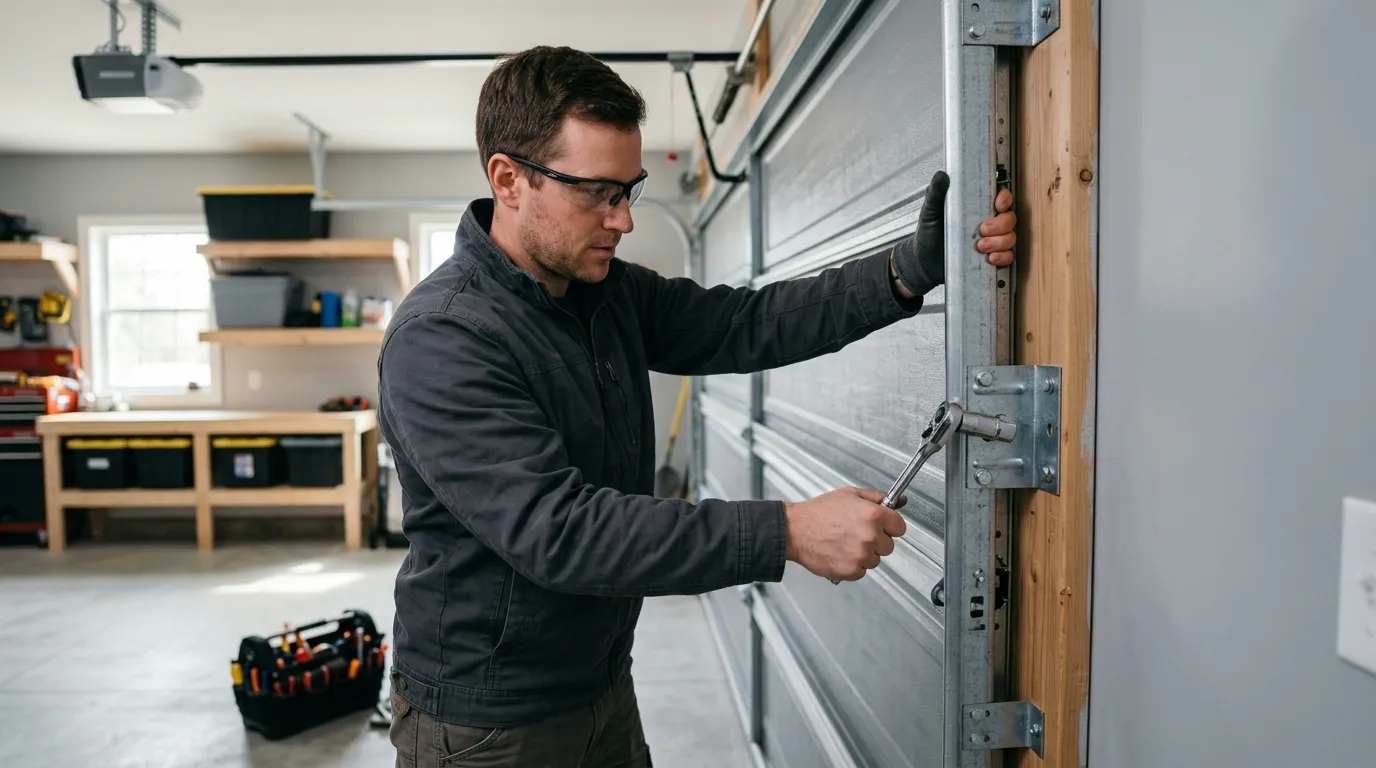
Garage Door Panel Replacement
Dented or cracked panels swapped without replacing the whole door where the frame is sound.
Learn more →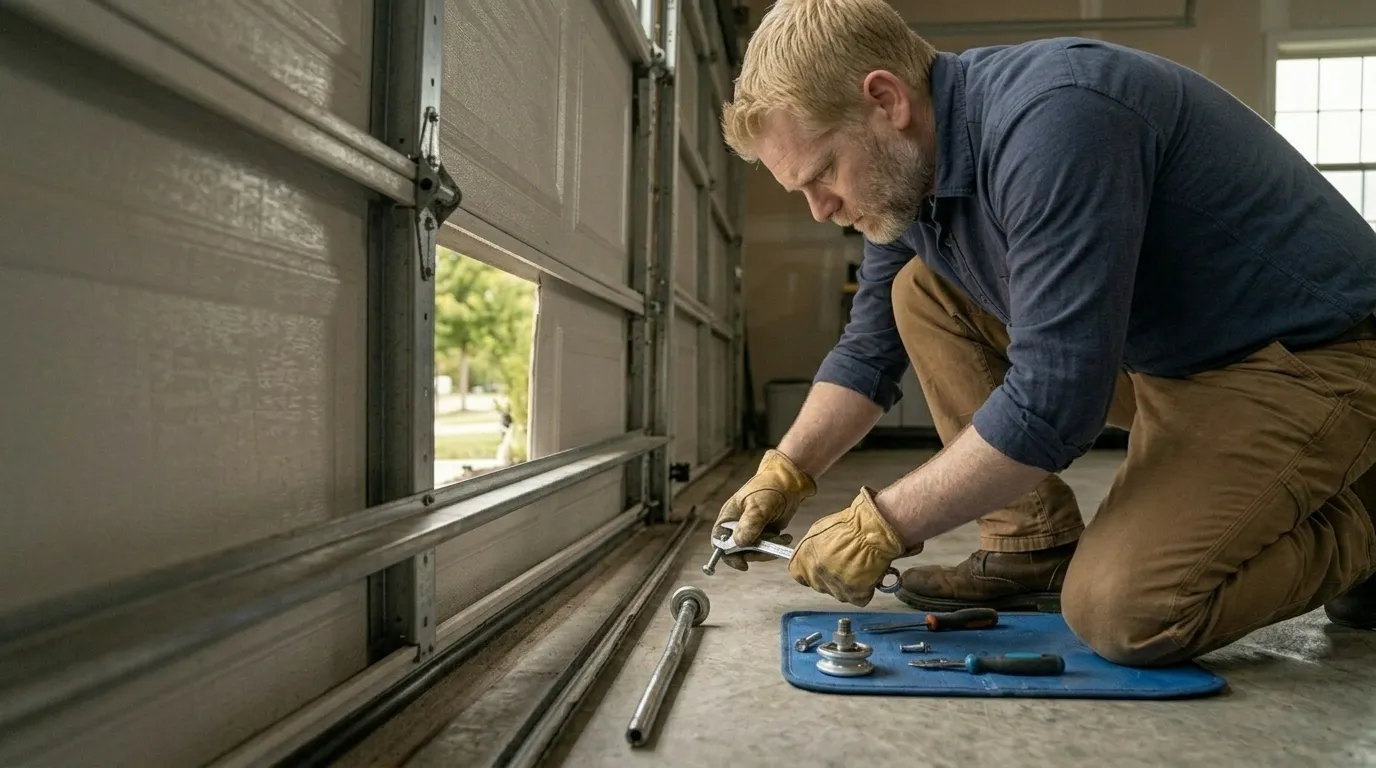
Garage Door Service
Tune-ups, lubrication, and safety checks that catch a small problem before it becomes a service call.
Learn more →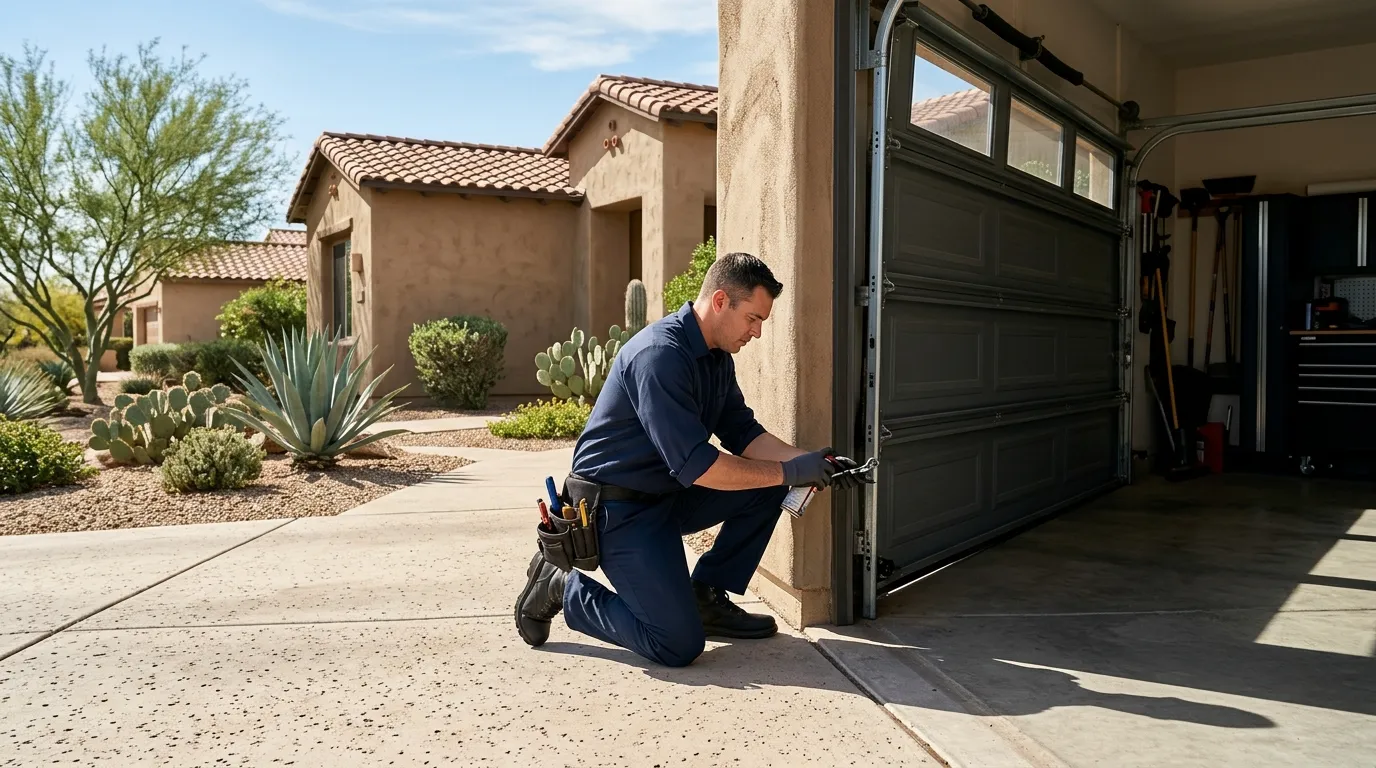
Garage Door Installation
New sectional doors sized and installed for the housing stock actually built in this area.
Learn more →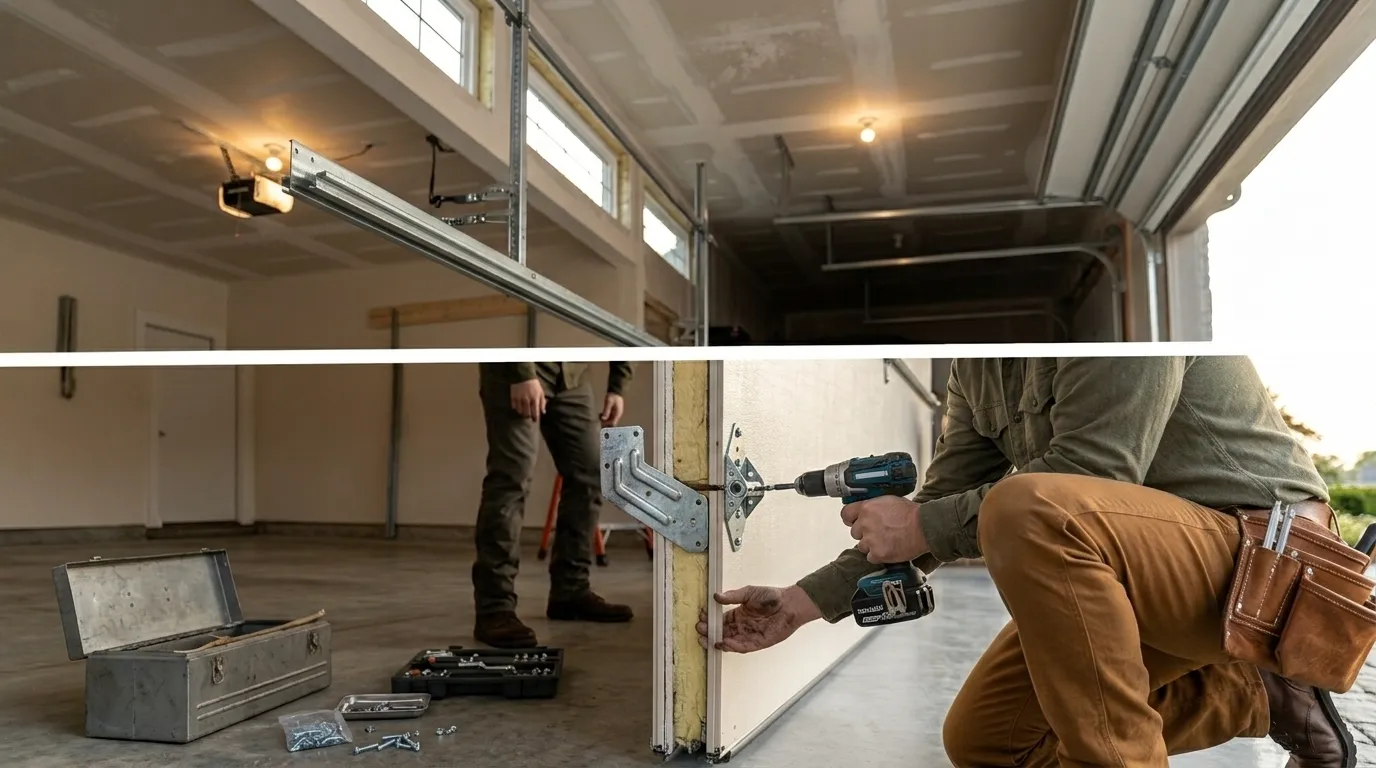
Garage Door Repair
Springs, cables, tracks, rollers, and openers fixed by a tech who explains the problem before touching anything.
Learn more →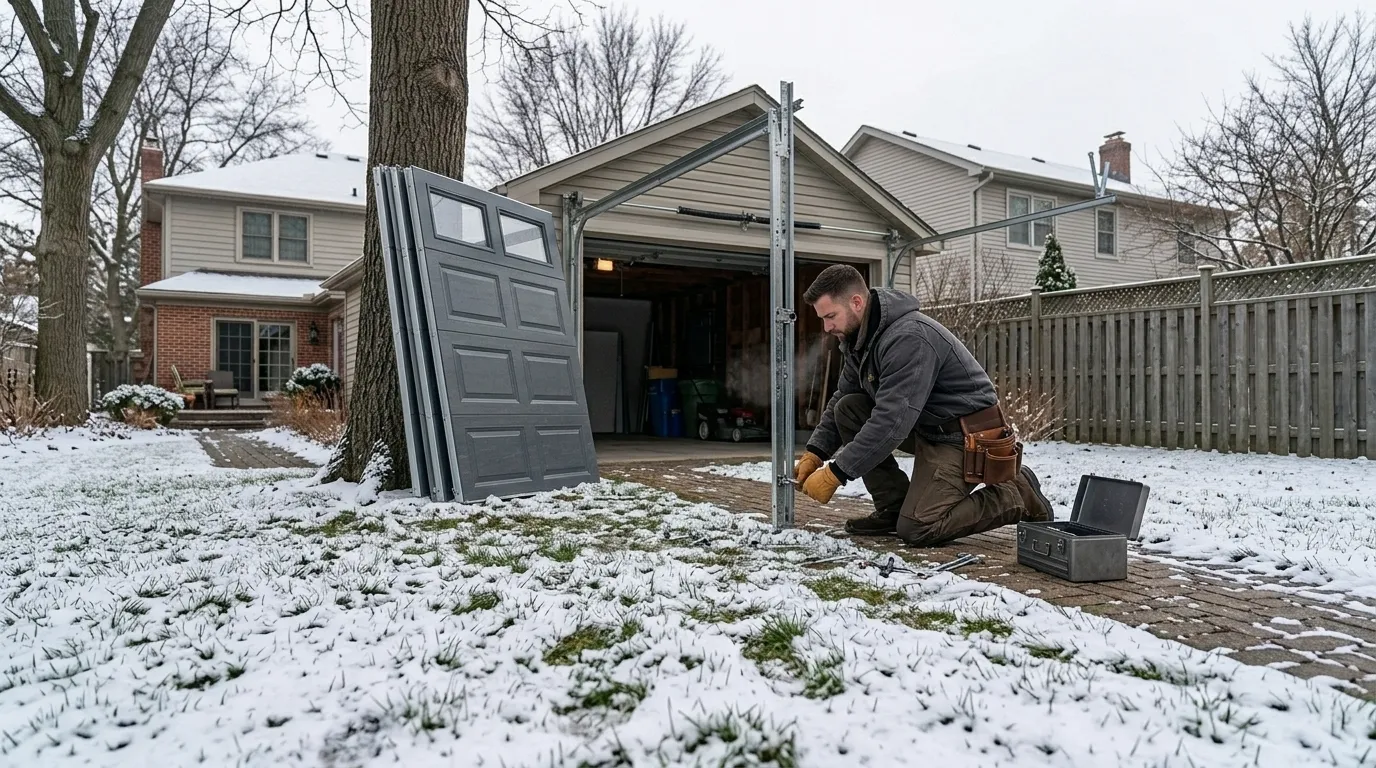
Garage Door Spring Repair
Broken torsion and extension springs replaced and the door rebalanced in the same visit.
Learn more →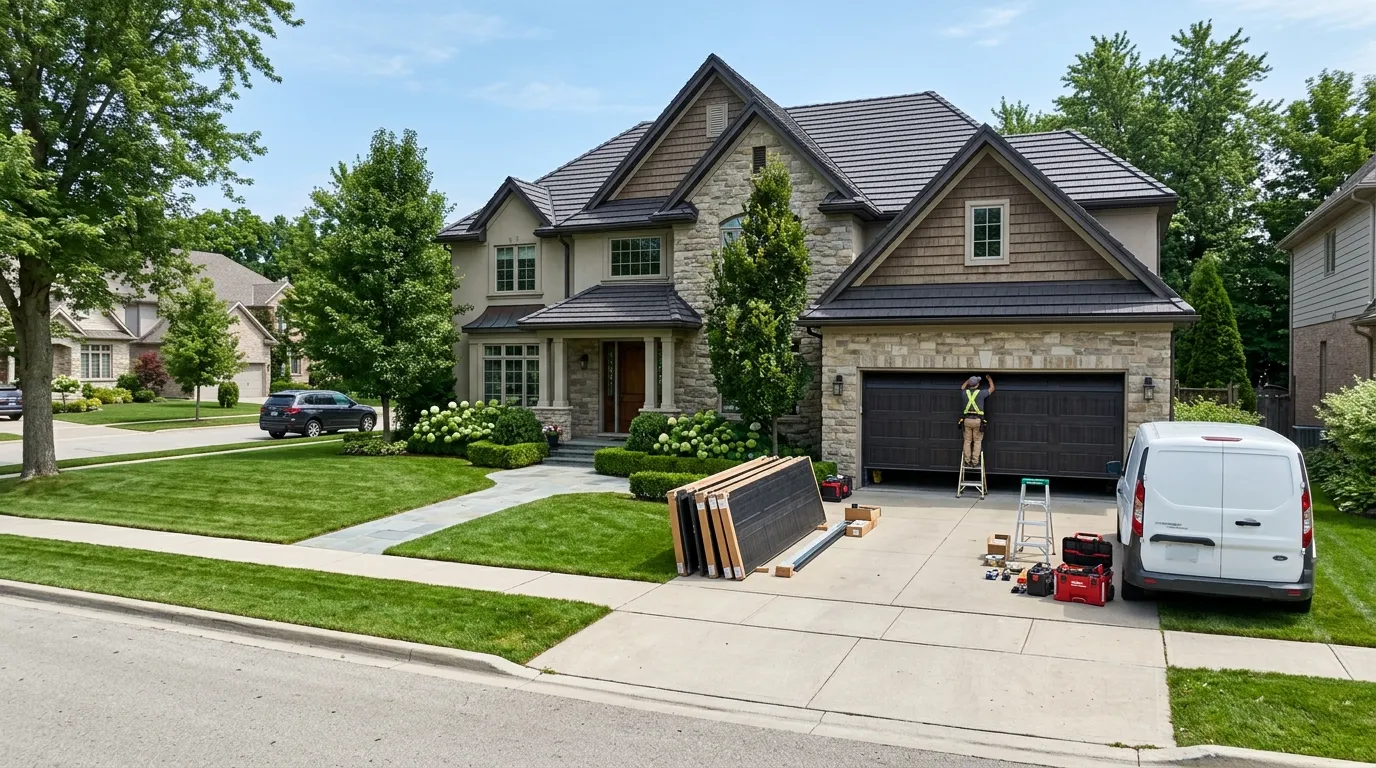
Garage Door Cable Repair
Frayed or snapped lift cables replaced and tensioned so the door lifts level and safe.
Learn more →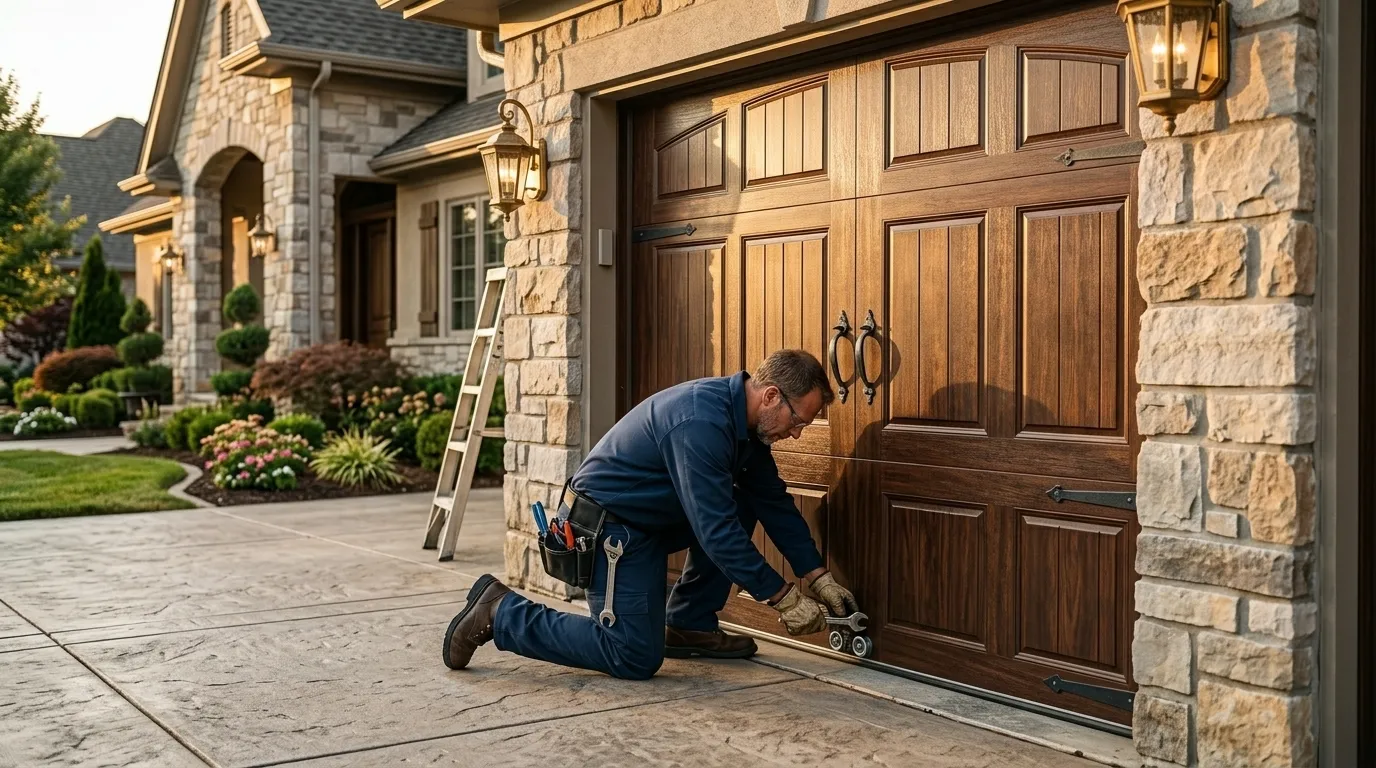
Garage Door Off Track
Doors that jumped the track reset safely, with rollers and alignment checked so it holds.
Learn more →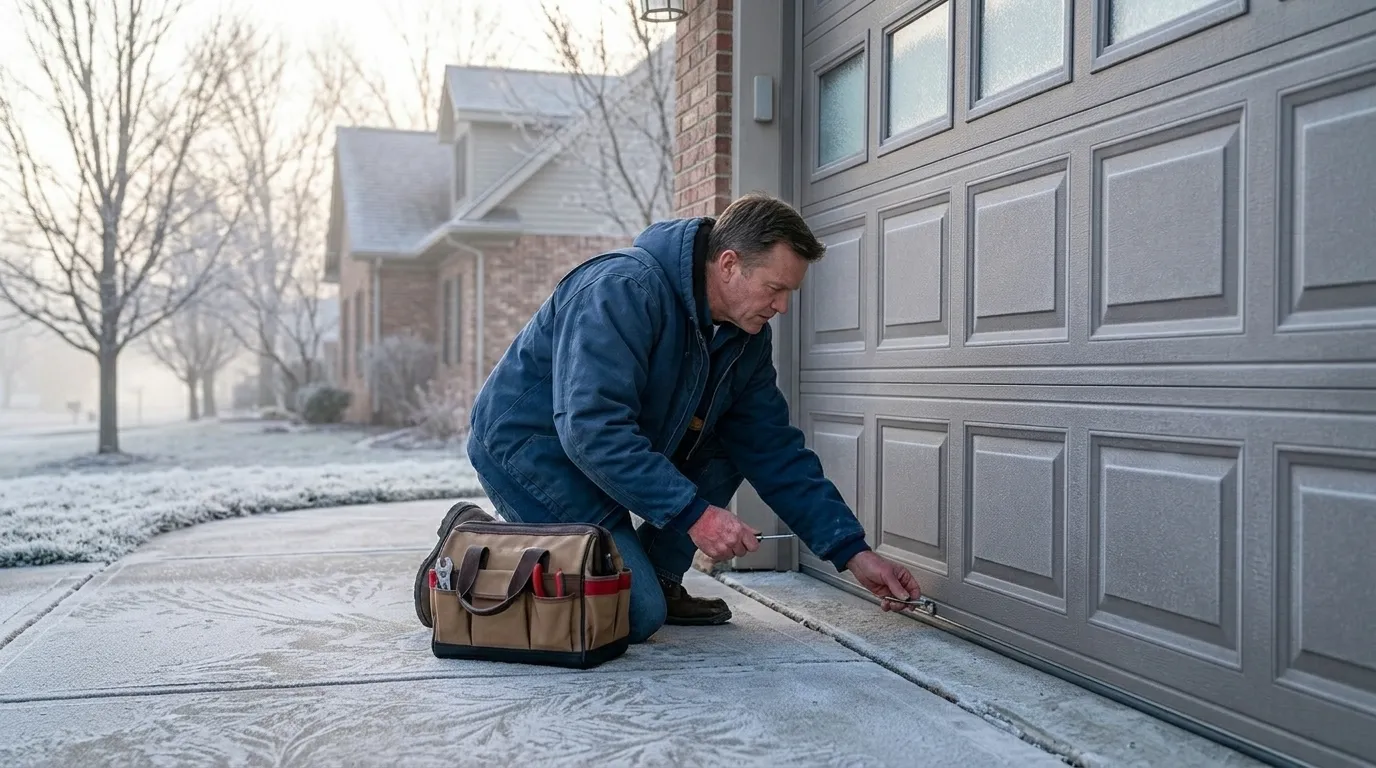
Garage Door Maintenance
Garage Door Maintenance handled by trained, insured local technicians with upfront pricing.
Learn more →Recent Work Around Thousand Oaks
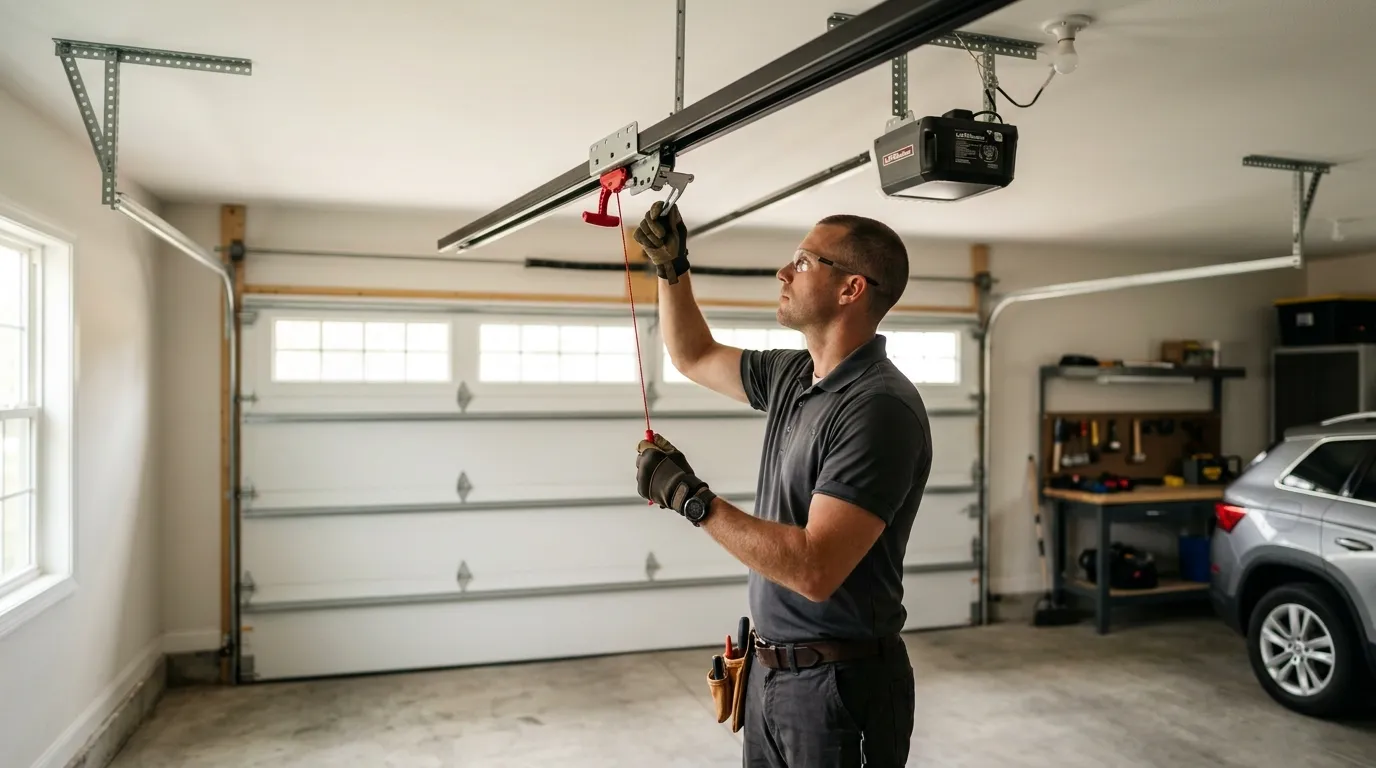
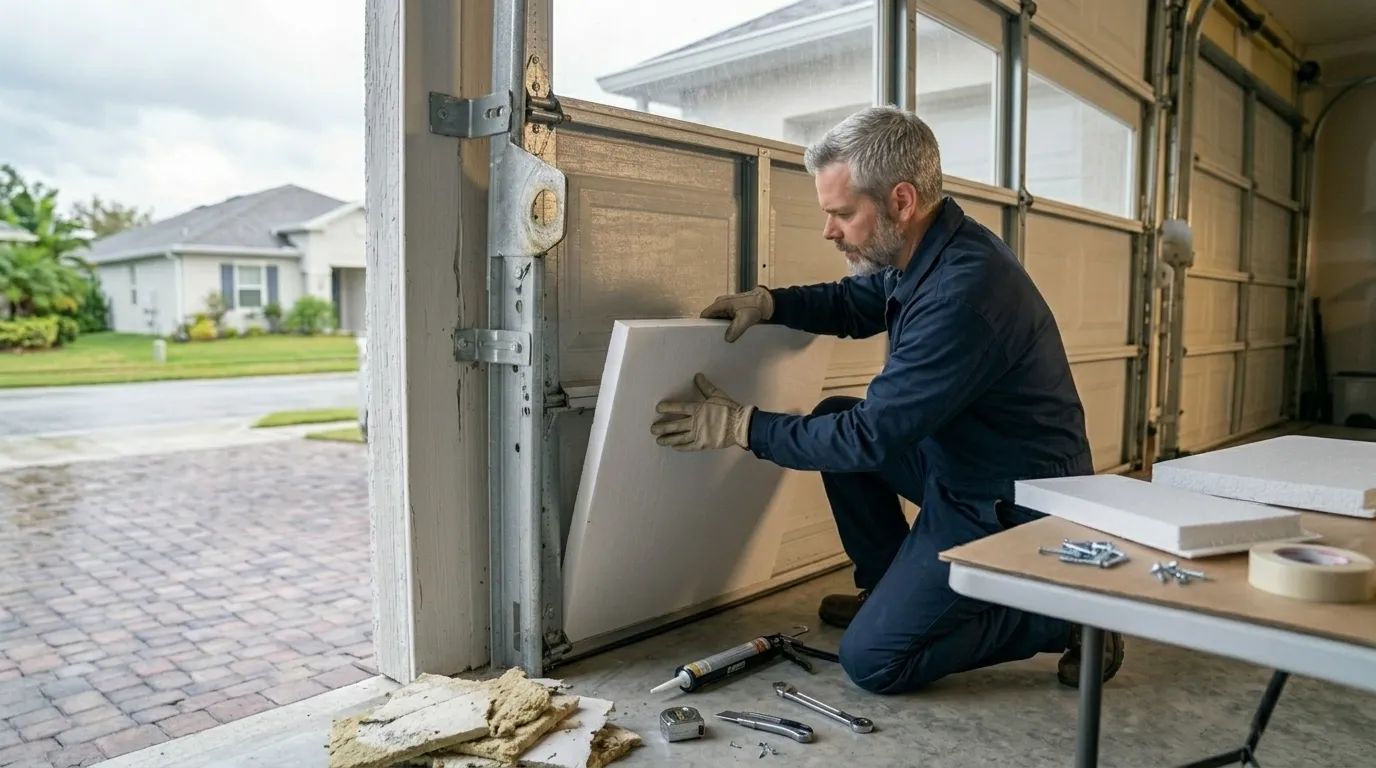
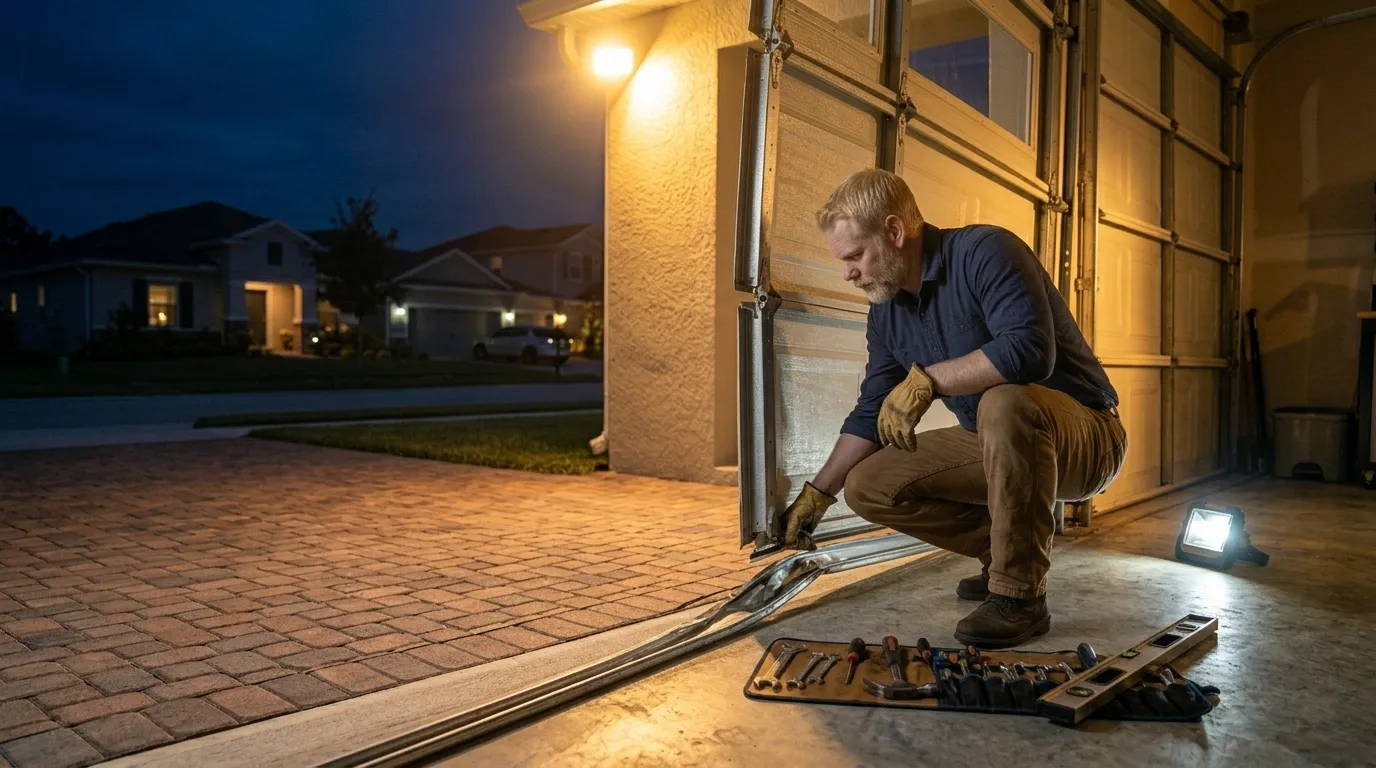
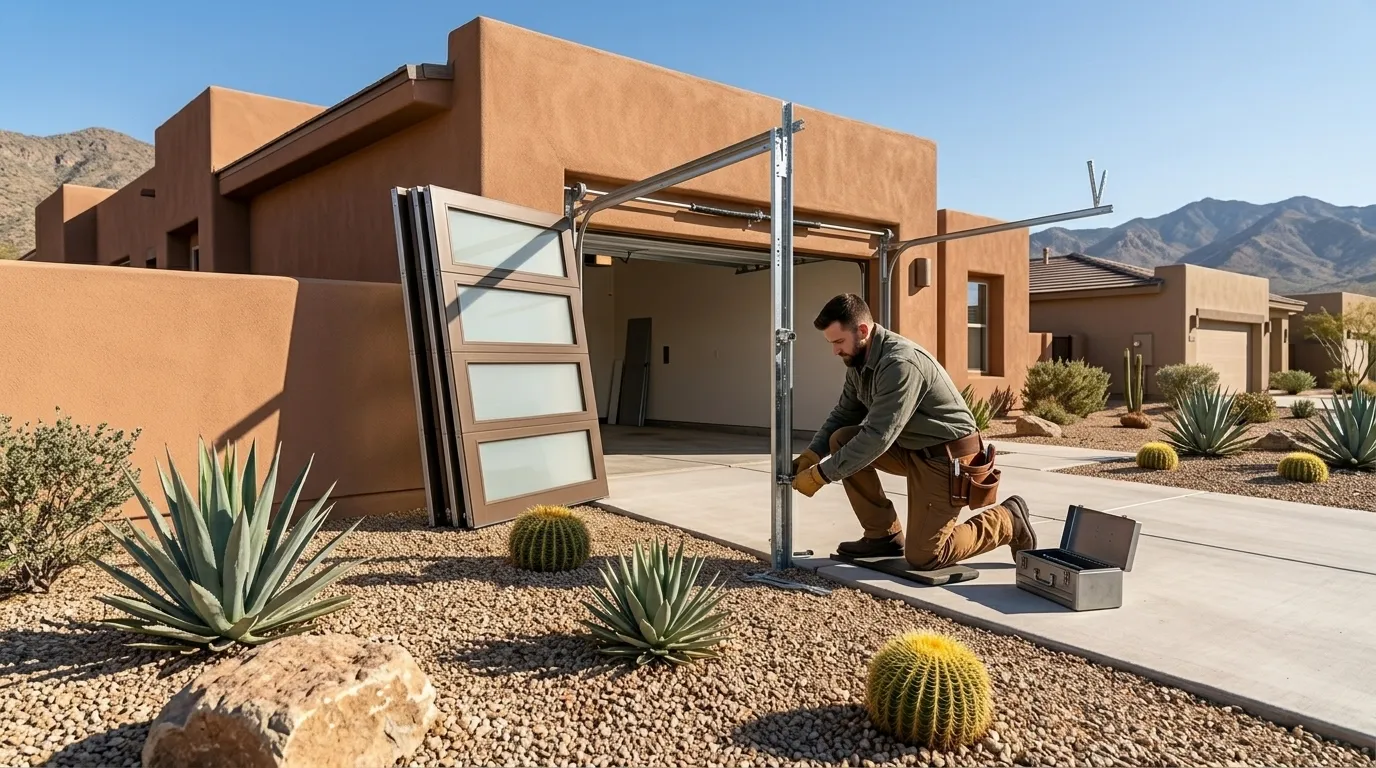
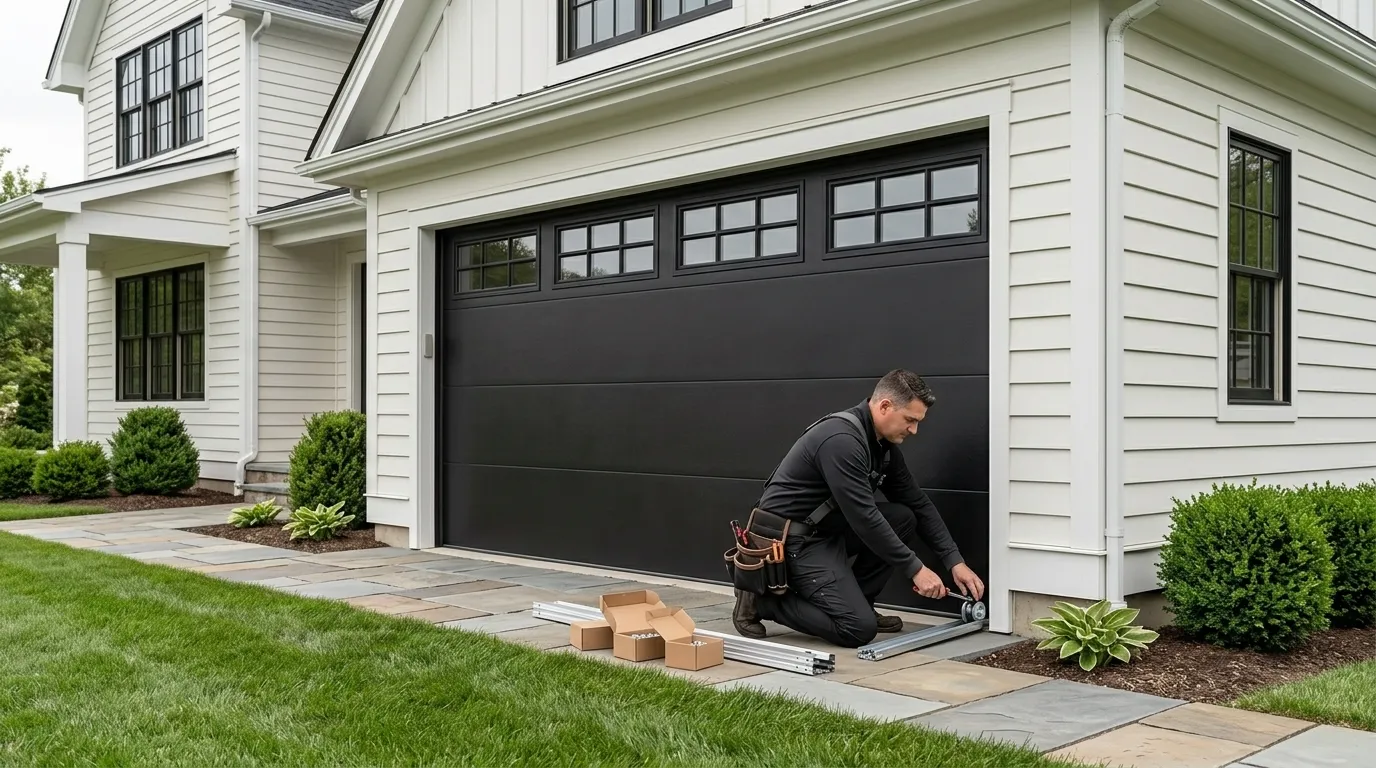
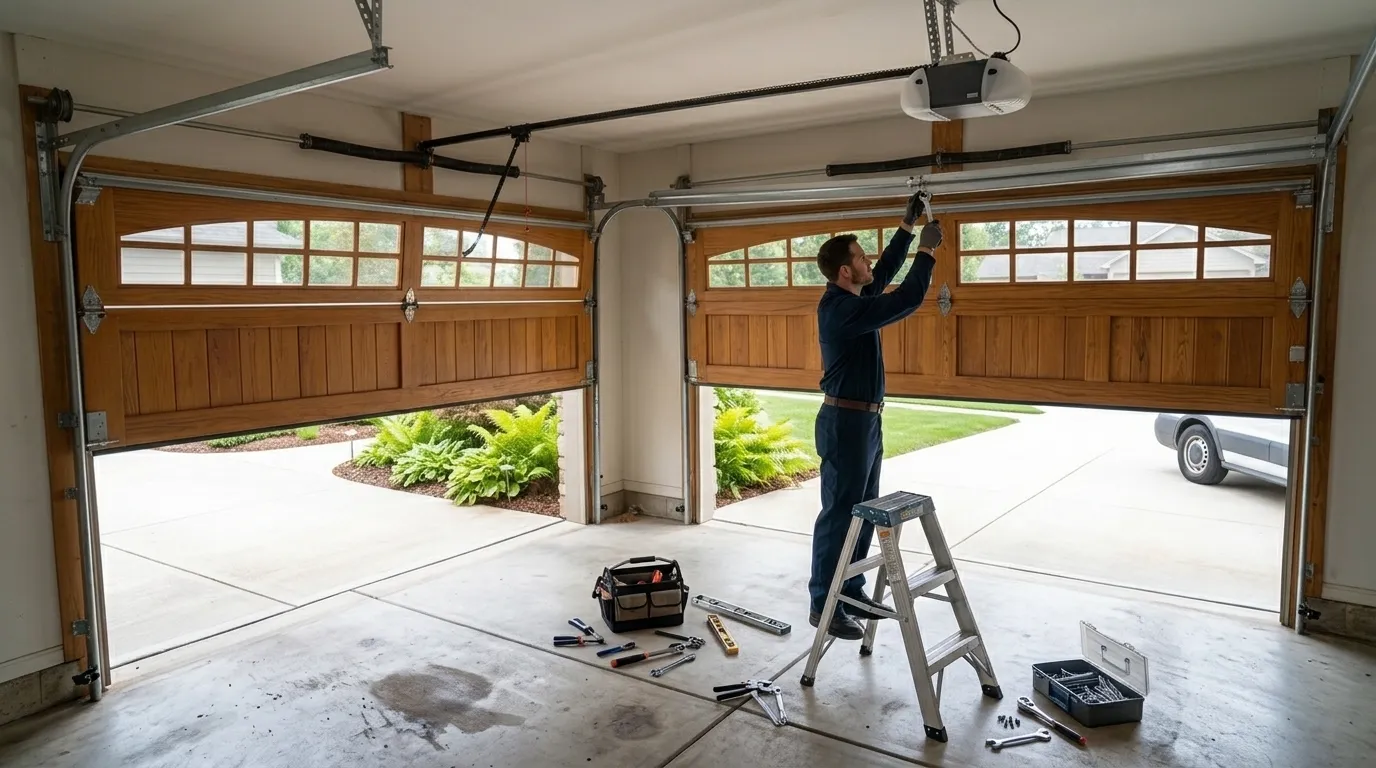
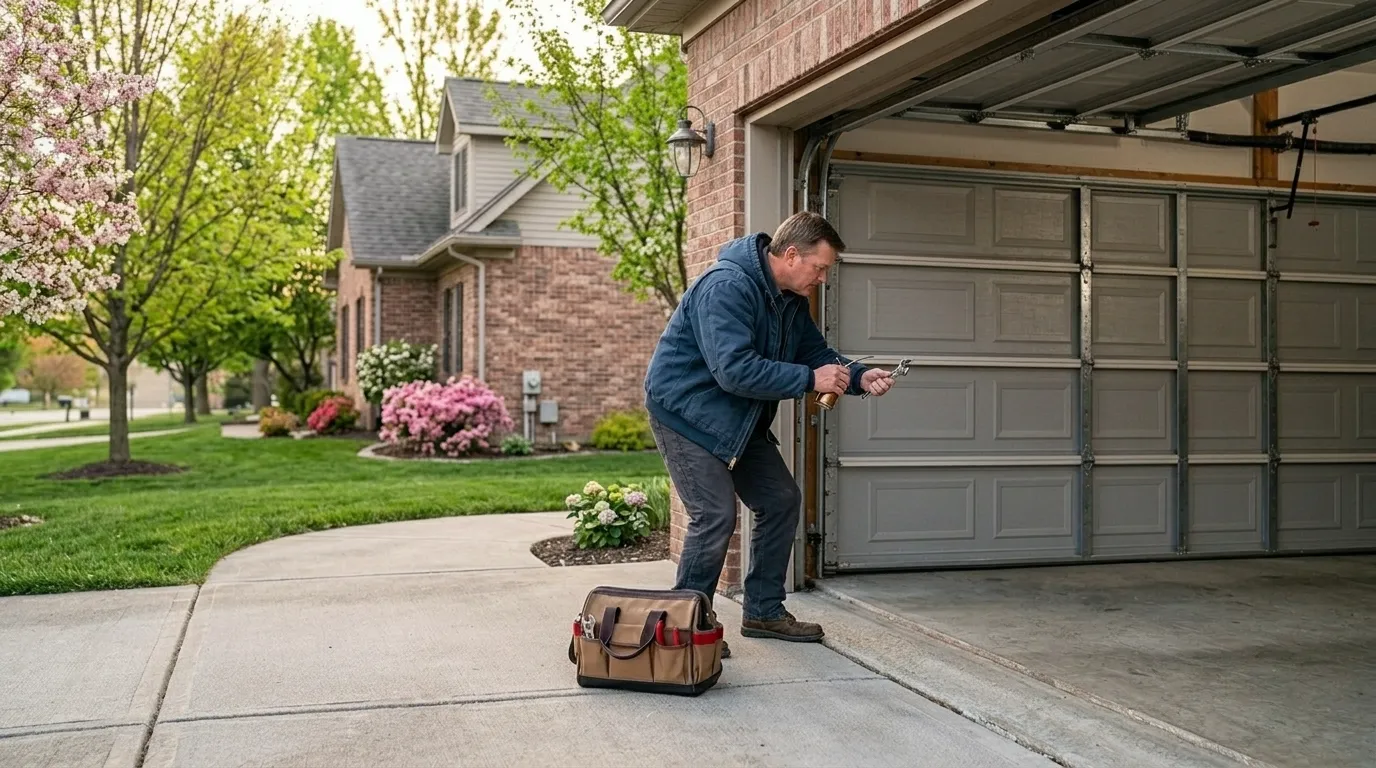
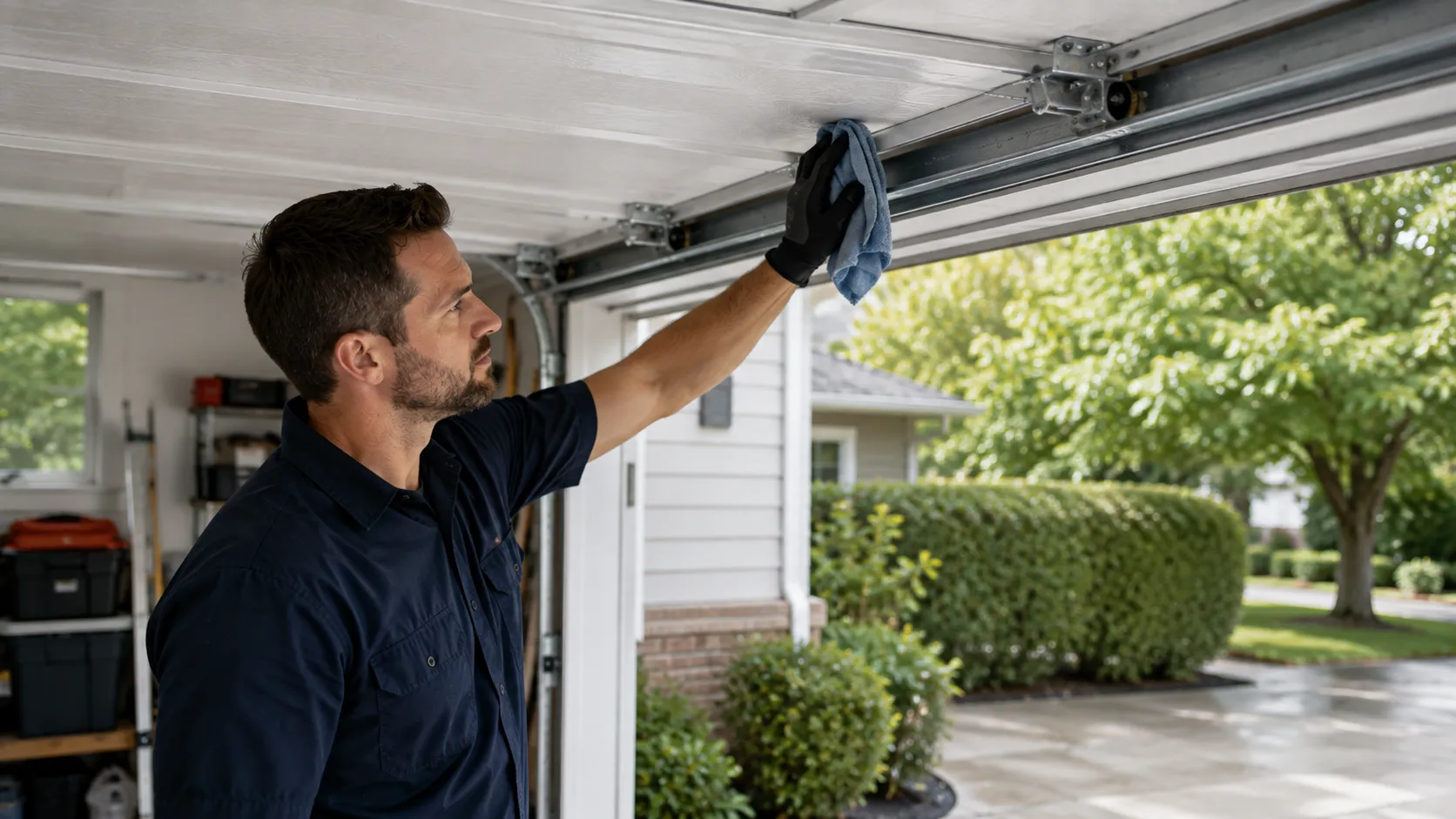
A look at the doors, springs, and openers our crew has been on lately.
Why Thousand Oaks Calls Us
Local facts, not a franchise script.
What Happens When You Call
-
1
Call or Request a Quote
Tell us what the door is doing and roughly how old the house is - that alone points us toward the likely part before a truck leaves.
-
2
On-Site Diagnosis
A tech checks the spring, cables, tracks, and opener in person and tells you plainly what is actually wrong.
-
3
Straight Price, No Surprises
You get a number before any work starts. It covers parts and labor, nothing added after the fact.
-
4
Fixed the Same Visit
Most repairs are done in one trip. If a part needs sourcing, we tell you that upfront instead of guessing.
Areas We Serve
Frequently Asked Questions
Why do so many garage doors around here have the same kind of spring failure?
Because so much of the housing stock in this area went up between 1956 and 1997, with most of it concentrated in the 60s and 70s, a lot of doors are hitting the same age-related wear at roughly the same time. Extension springs from that era simply weren't designed to last past a few decades of daily cycling, so failure clusters by house age more than by street.
Does the mild climate here mean less wear on garage doors?
It helps. Without hard freezes or heavy humidity swings, seals and steel panels don't take the beating they would in harsher climates. Most of the wear we see is from age and daily use rather than weather, which is a big part of why original hardware on 1970s doors can still be running, just barely, decades later.
Should I repair my old door or replace it?
Depends on what's failing and how old the door is. If it's a spring, cable, or roller issue on a door that's otherwise square and tracking straight, repair usually makes sense. If the panels are damaged or the opener is an obsolete model we can't get parts for, replacement is often the cheaper path once you add up repeated repairs.
Do you serve areas outside Thousand Oaks itself?
We work the broader area within this service territory, including places like Newbury Park, Oak Park, and Santa Rosa Valley. If you're unsure whether your address falls in range, give us a call and we'll tell you straight rather than guess.
Ready to Get Your Door Fixed Right?
Call now or request a quote online, and we will tell you straight what your door needs.