
Panel Replacement in Santa Paula
Panel Replacement for Santa Paula's 1970s-Era Garage Doors
Santa Paula homes near Thousand Oaks average 1970 construction. See what panel replacement costs, how long it takes, and what actually fails on doors this age.
- Licensed & Insured
- Same-Area Service Calls
- Upfront Pricing
What Can Go Wrong
Most garage doors on Santa Paula houses went in around 1970, the median build year for this pocket of the service area. That means steel sectional doors, usually 16x7 for a two-car opening, with panels stamped thinner than anything made today. Some of the older wood doors from the same build wave are still hanging on original hinges.
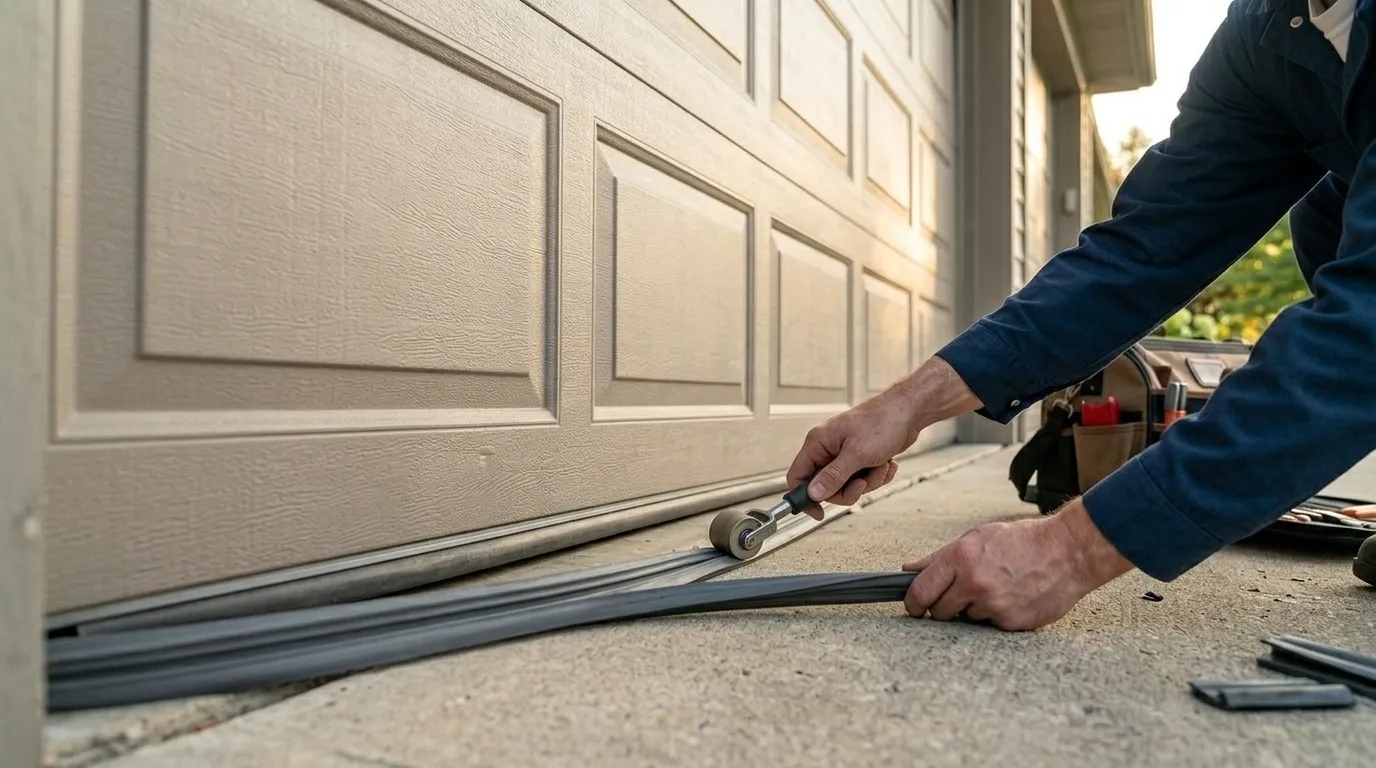
What goes wrong with a door that age is almost always the panel itself, not the opener. A single dented section from a bumper tap, a bottom panel that's soaked up enough moisture over the decades to swell and bind in the track, or a middle section that's rusted through at the hinge holes so the screws no longer bite. On a sectional door you don't have to replace the whole thing - you replace the section that's failed and leave the rest alone, as long as the manufacturer still makes that profile or a close enough match.
The catch with 1970 stock is that some of those original panel widths and rib patterns aren't made anymore. When that happens, matching one section means either sourcing a compatible used panel or accepting a visible seam, and that's a conversation we have with the homeowner before any work starts, not after.
What You Pay
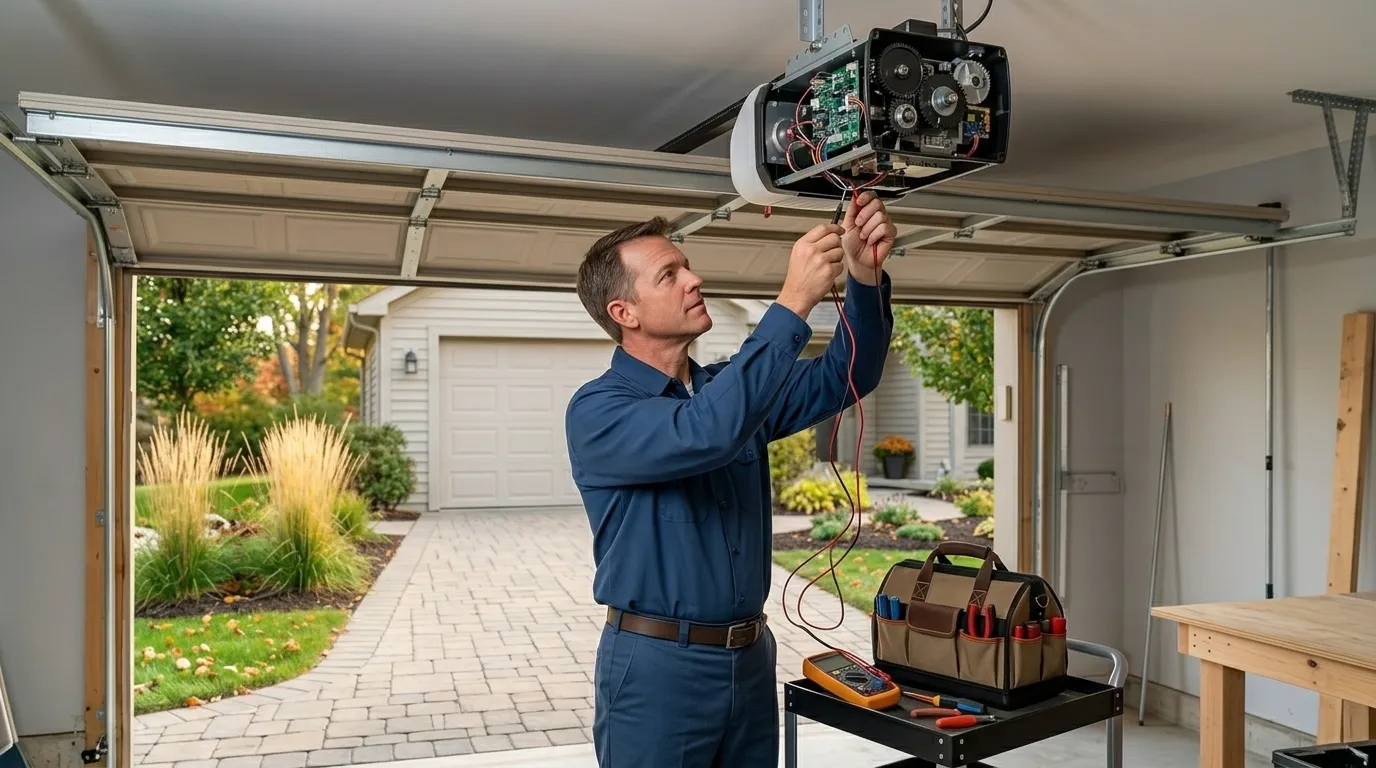
There isn't a flat number we can quote here - panel cost depends on the door's brand, the panel's exact width and insulation, and whether it's a common steel profile or an older discontinued run, which is more common on doors from 1970 than doors from 2005. We won't invent a price range for Santa Paula specifically.
What we can say is that median household income across the wider service area sits at $146,710, while Santa Paula's own households run closer to $77,130. That gap matters less for the repair itself than for the decision homeowners make around it - whether to replace one panel and keep the door working another decade, or to put that money toward a full door when two or three panels are already showing rust. We'll tell you honestly which side of that line your door is on before we write anything up.
Time on the Job
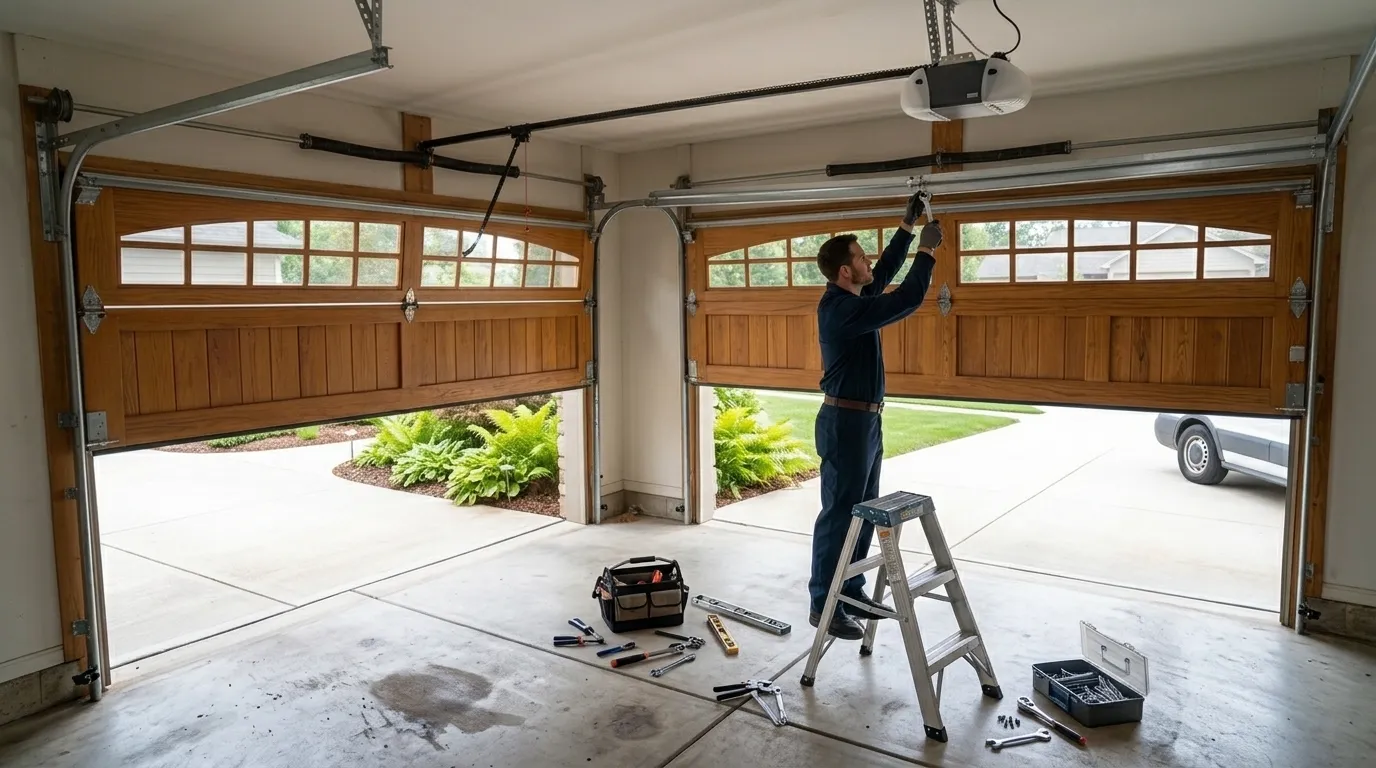
Santa Paula sits about 16 miles from our shop in Thousand Oaks, so a panel job here gets scheduled with that drive built into the day rather than squeezed between closer calls. Once the truck is on site, swapping a single section on a sectional door is usually a same-visit job if the replacement panel is in stock - it's removing the roller brackets, unbolting the hinges, sliding the bad section out, and reversing the process with the new one.
If the panel has to be special-ordered because the original profile is discontinued, that's a second trip, and we'll say so upfront rather than let you assume it's a one-visit fix. We don't promise a same-day arrival window for Santa Paula and won't pretend otherwise - it's a scheduled trip out from Thousand Oaks, not a local dispatch.
What You Are Seeing
On a door built around 1970, the tells are usually visual before they're mechanical. Look for a section that's visibly bowed out or in compared to the panels above and below it - that's warping, not just cosmetic damage, and it usually means moisture has gotten into the panel core over the years. Rust streaks running down from a hinge bolt are a sign the fastener has started eating into the steel around it, which eventually means the hinge won't hold the panel's weight through the roller track.
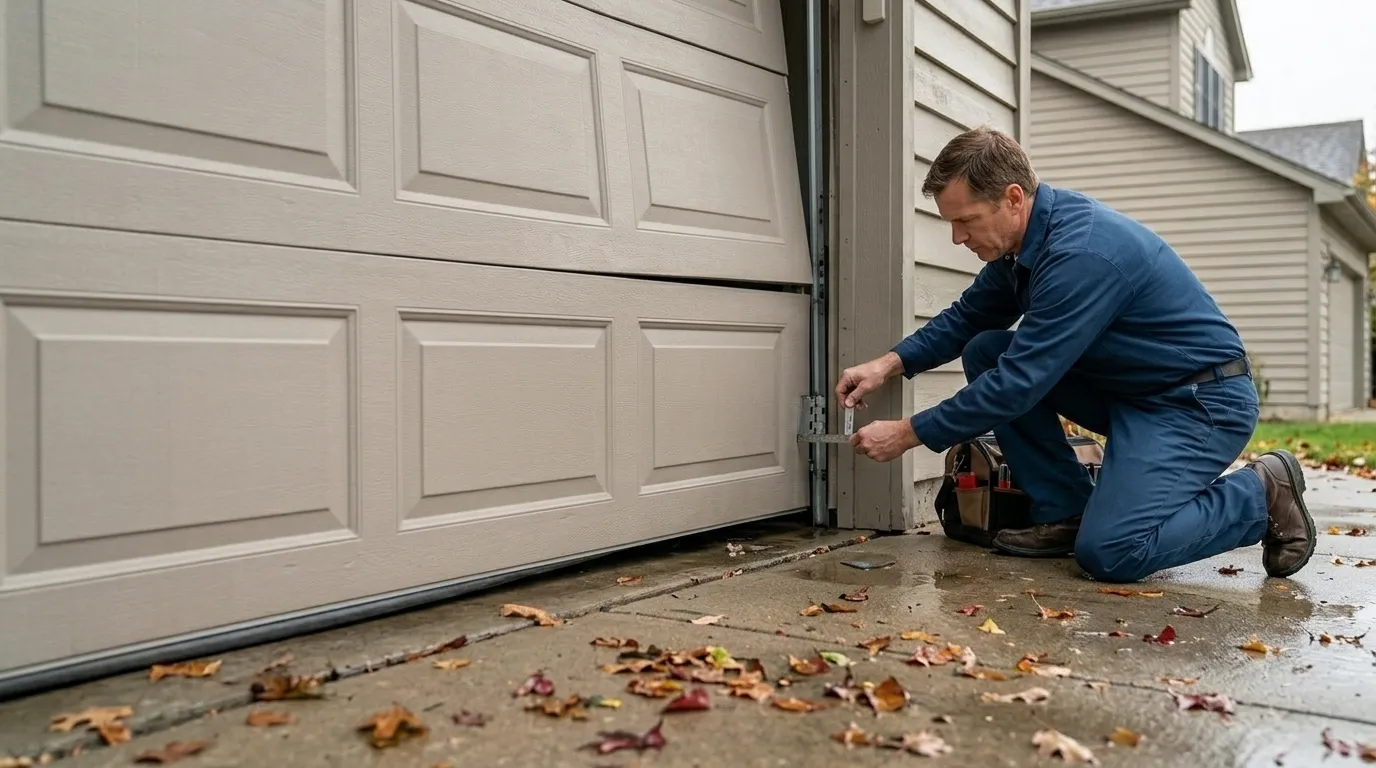
A dented panel that still tracks smoothly is a cosmetic call. A panel that's stopped tracking smoothly, or one where you can see daylight at the seam when the door's down, isn't cosmetic anymore - the section is out of shape enough that it's putting uneven load on the rollers next to it, and that wears out hardware that was otherwise fine.
What Causes It Around Here
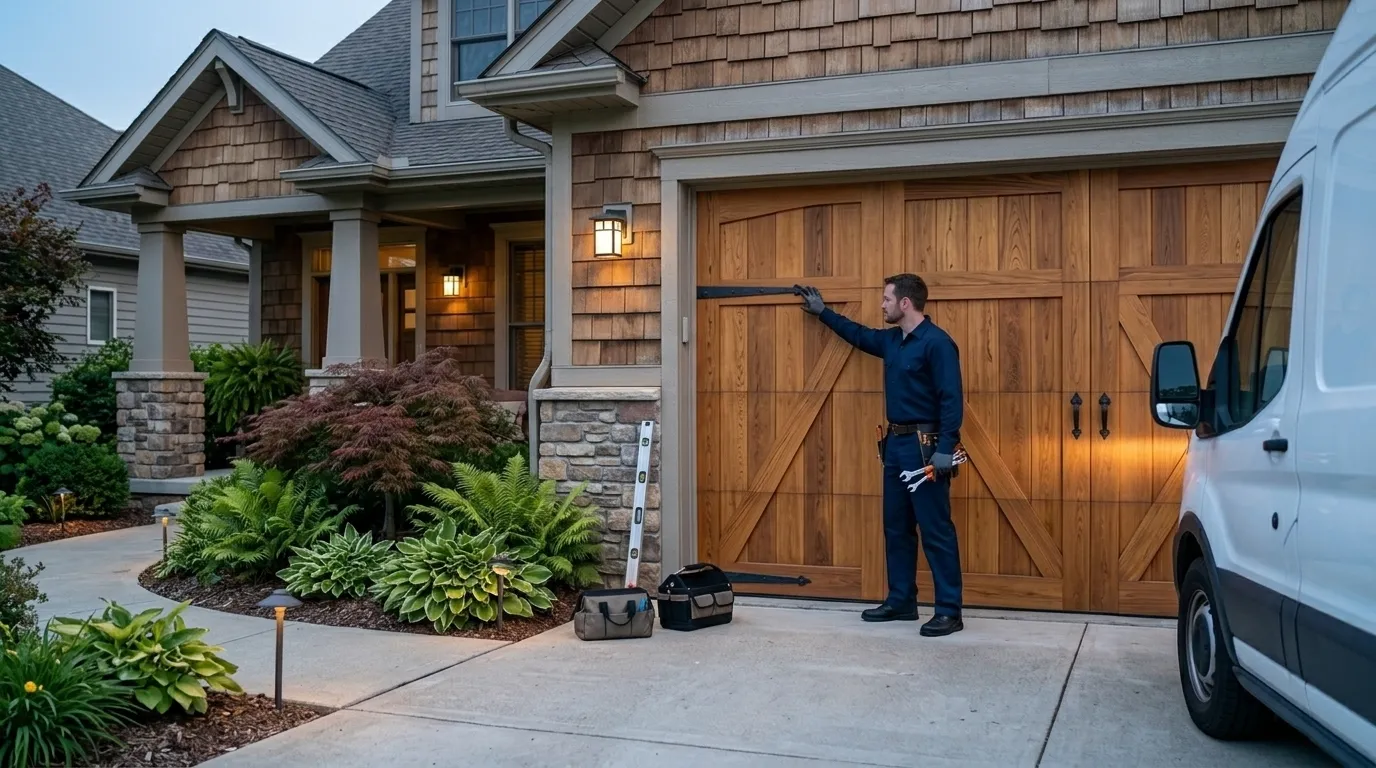
The mild temperate climate across this part of the service area means Santa Paula doors aren't fighting hard freezes or heavy snow load the way doors do elsewhere. What they are fighting is decades of sun. A steel panel painted in 1970 and repainted once or twice since has had a lot of years of UV exposure, and that's what tends to chalk the paint and let rust start at any scratch or ding that wasn't touched up.
The other factor is simply age of hardware working against age of panel. A hinge that's flexed the same fold line for fifty years wears a groove into the steel around the bolt hole, and that groove is where rust gets a foothold first. None of that is unique to one house - it's the shared condition of a neighborhood built in the same few years, which is why panel failure clusters by decade more than by any one street.
The DIY Question
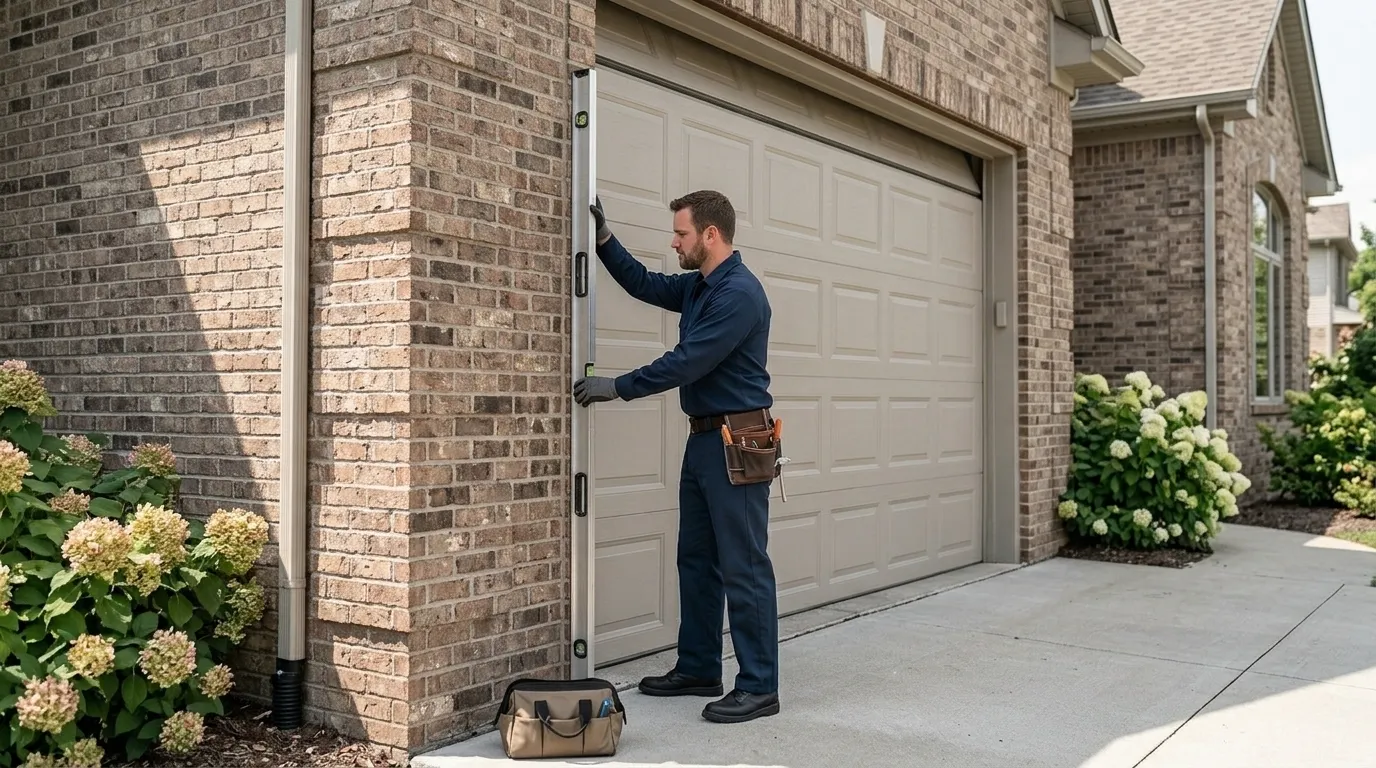
Swapping a single panel is within reach for someone comfortable with a ratchet and a Saturday, provided the door is a common sectional profile and the replacement panel is actually available. The real obstacle for Santa Paula's older stock isn't the labor, it's sourcing - a 1970-era panel width that a manufacturer stopped making means hours spent hunting for a match before any tool comes out.
Where we'd tell you to stop and call rather than push through: if the door uses extension springs mounted overhead rather than a torsion bar, those springs are under enough tension to cause real injury, and panel removal on that setup means dealing with cables you don't want to release blind. If you've gotten the section off and the new one doesn't sit flush no matter how you shim it, that's usually a sign the track itself has racked out of square over the years, and that's a different repair than the one you started.
Recent Work in Santa Paula
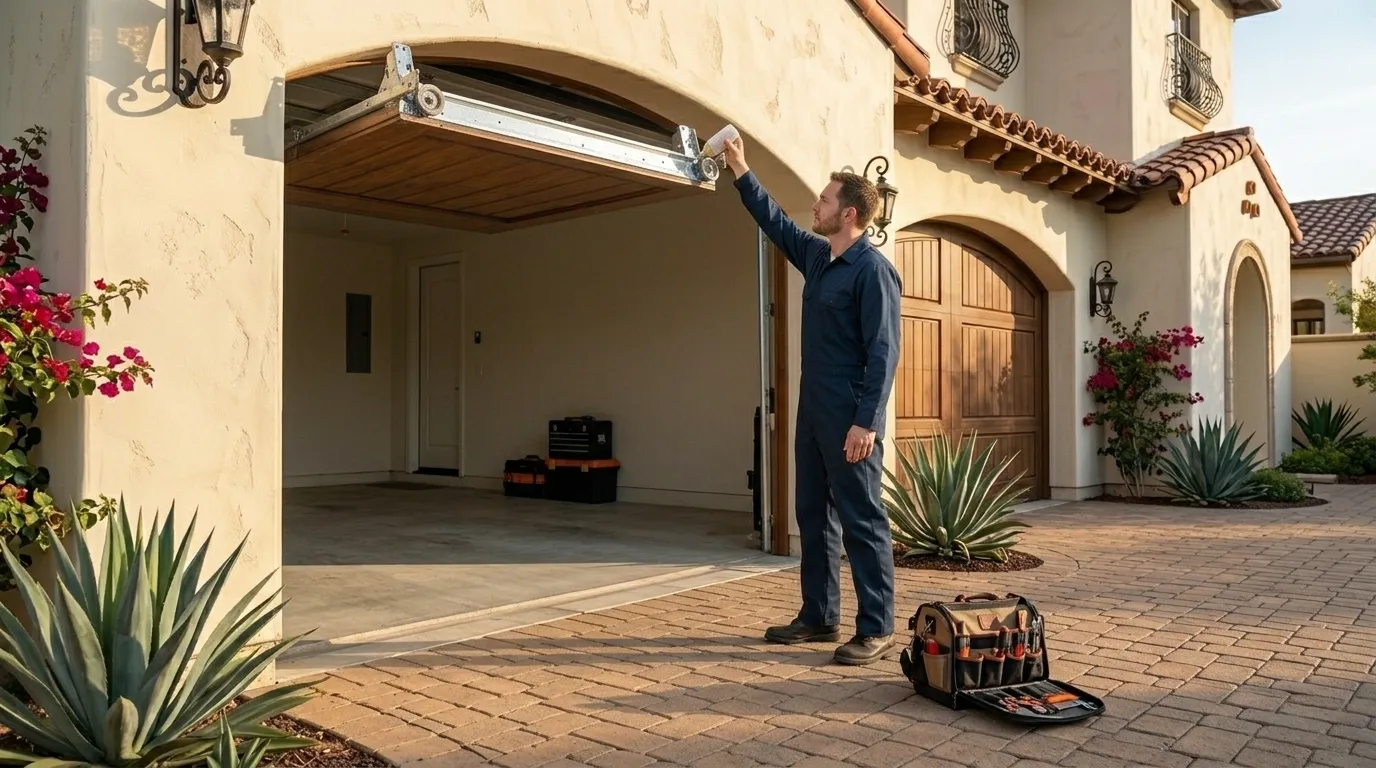
A look at jobs our crew has been on nearby.
Talk to a Santa Paula Technician First
Describe what the door is doing and get a straight answer on what it likely needs.
Why Santa Paula Calls Us
What Happens When You Call
-
1
Call or Request a Quote
Tell us what the door is doing and roughly how old the house is - that alone points us toward the likely part before a truck leaves.
-
2
On-Site Diagnosis
A tech checks the spring, cables, tracks, and opener in person and tells you plainly what is actually wrong.
-
3
Straight Price, No Surprises
You get a number before any work starts. It covers parts and labor, nothing added after the fact.
-
4
Fixed the Same Visit
Most repairs are done in one trip. If a part needs sourcing, we tell you that upfront instead of guessing.
Other Garage Door Services in Santa Paula
Frequently Asked Questions
Can you match a panel on a door that old, or does the whole door need replacing?
It depends on whether the manufacturer still makes that panel width and rib pattern. Doors from around 1970 sometimes used profiles that have since been discontinued. When that's the case, we'll tell you the honest options: a visible-seam substitute, a used panel if one can be sourced, or full door replacement.
Do you have a local branch in Santa Paula?
No. We're based in Thousand Oaks and travel out to Santa Paula, about 16 miles away, for scheduled jobs. We don't keep a depot or stock truck stationed there, so panel jobs get booked as a trip rather than a same-day local call.
Why does my panel look fine but still won't sit flush?
On a door this age, the track itself can rack slightly out of square over the decades even if the panel is undamaged. A new or matched panel won't sit right against a track that's shifted, and that's a track adjustment, not a panel problem.
Is one dented panel worth fixing or should I replace the whole door?
If it's one section and the door still tracks smoothly, replacing just that panel usually makes sense. If you're already seeing rust or warping on a second or third section, that's often the point where putting the money toward a full door instead makes more sense long-term.
Need Panel Replacement in Santa Paula?
Call now for straight answers on cost and timing.