
Thousand Oaks Garage Door Guide
Garage doors built for a different set of rules
Thousand Oaks houses mostly went up between 1956 and 1997, before current insulation rules. We know what that means for your door, spring, and track - and what it doesn't.
- Licensed & Insured
- Same-Area Service Calls
- Upfront Pricing
Checking It Yourself
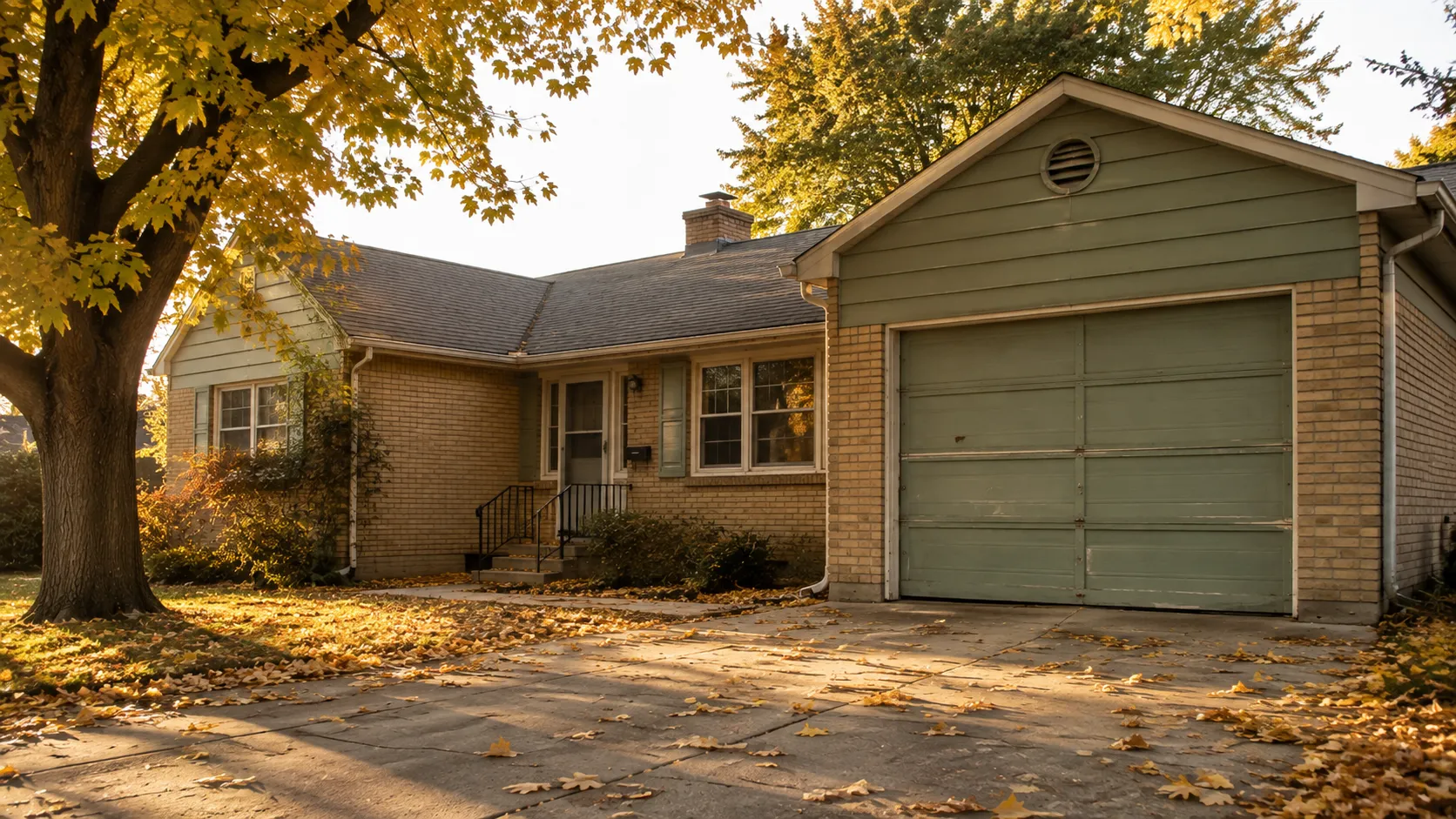
Most of the doors we get called on here went up with the house - and most houses in this service area were built between 1956 and 1997, with the median landing around 1976. That matters because a door from that era is almost always a single layer of steel or wood over an open frame, with no foam core and no thermal break. If your door feels cold or hot to the touch depending on the day, that's not a defect, that's the design.
Start by opening and closing it by hand with the opener disconnected. It should move smoothly and stay wherever you leave it, mid-track included. If it drops on its own, the torsion spring has lost tension - common on a door this old, since springs are rated for a cycle count, not a calendar.
Look at the bottom corners of the panels for daylight gaps; on a door built before insulation rules, that gap was often there from day one and isn't new damage. Check the rollers for flat spots or rust streaks on the track. None of this tells you the door is broken.
It tells you what decade you're dealing with.
What the Weather Here Does to It
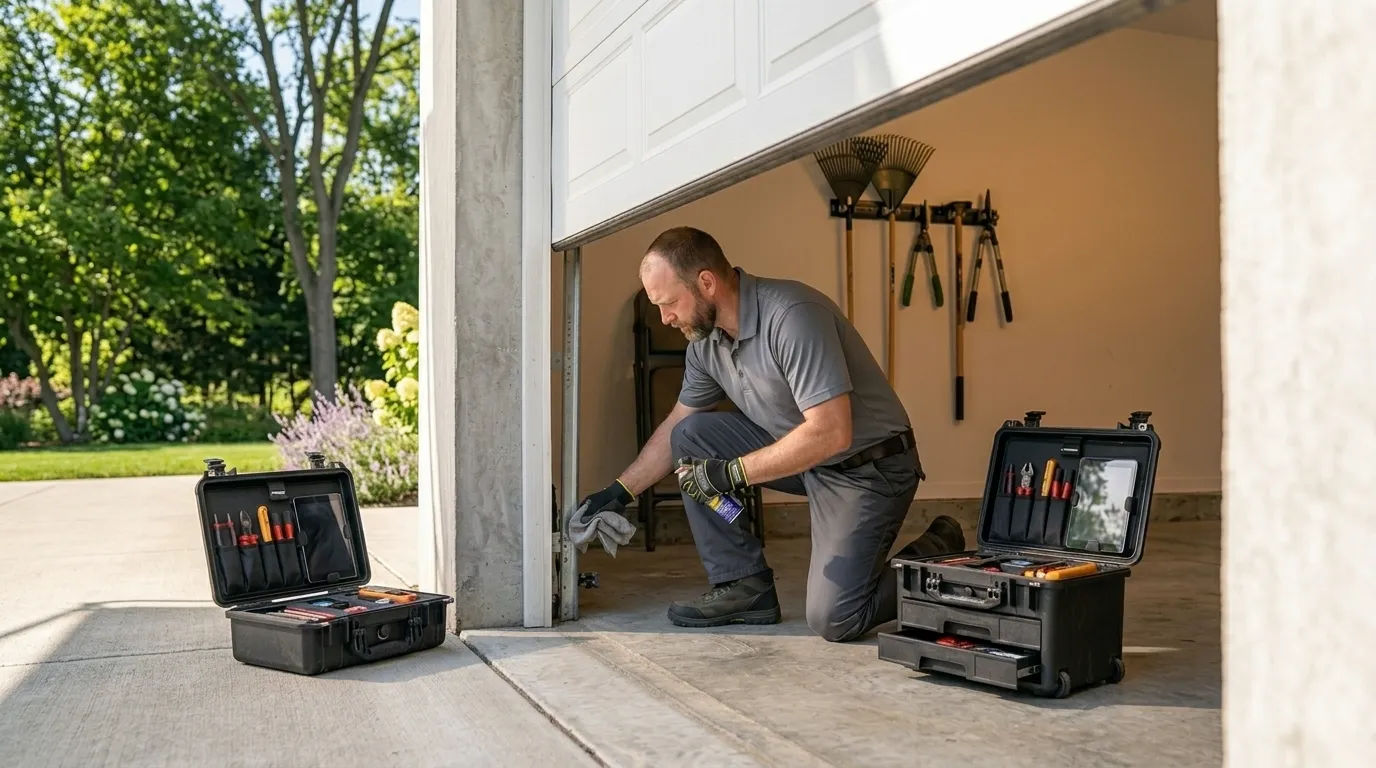
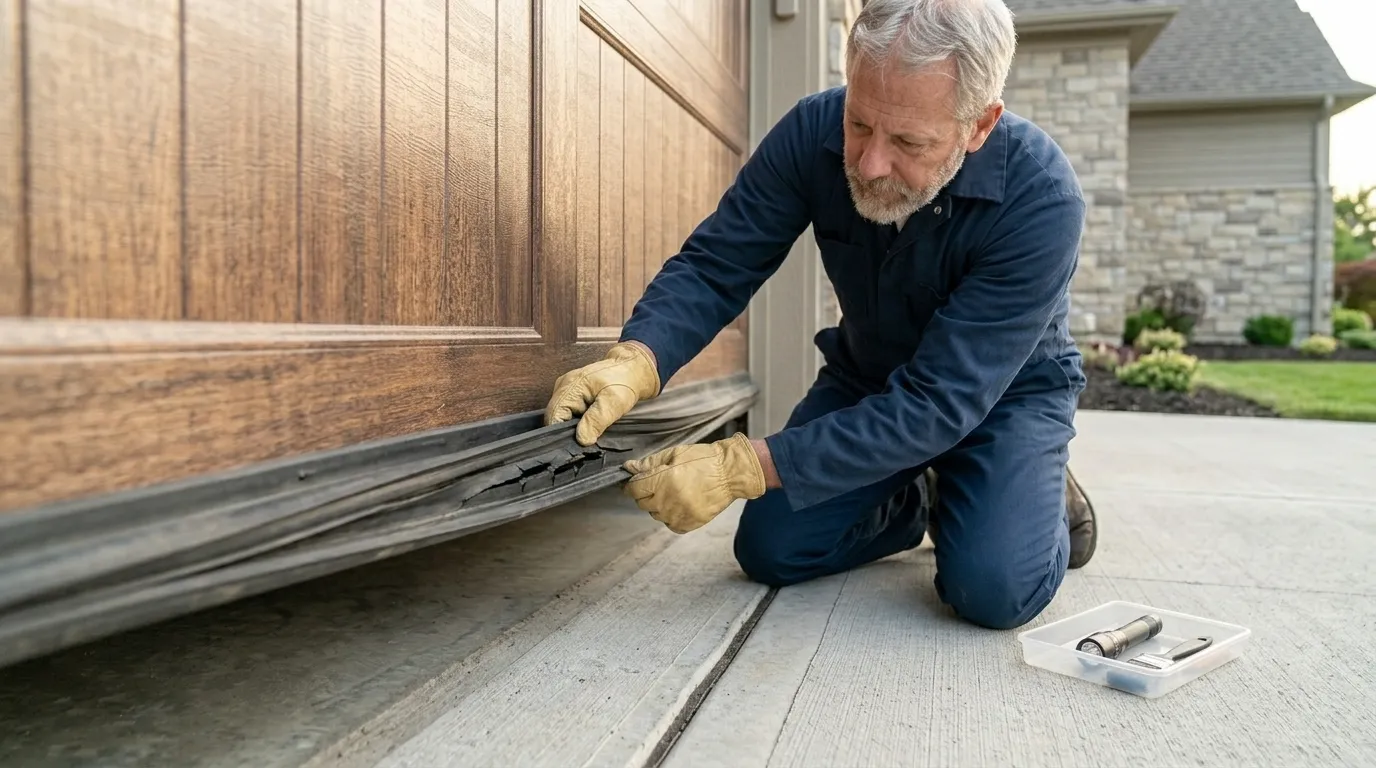
This part of the area sits in a mild temperate band, so we don't see the freeze-thaw cracking that wrecks doors in colder climates, and we don't see the humidity rot that eats wood doors near the coast. What we see instead is sun. A west-facing steel door here spends years absorbing direct heat, and on an uninsulated panel from the 1960s or 70s stock that's common across the 16 named areas we work in, that heat cycle warps thin steel and dries out weatherstripping until it cracks and falls away in strips.
The other thing mild, dry weather does is let dust and grit build up in the tracks instead of getting washed out by rain. On an older door with worn rollers, that grit acts like sandpaper every time the door cycles, which speeds up the same wear the age of the door already set in motion.
We don't get the dramatic weather failures - no ice-jammed tracks, no swollen wood doors that won't seat. What we get is slow, steady wear that owners often don't notice until the spring finally gives out.
What Is Going On
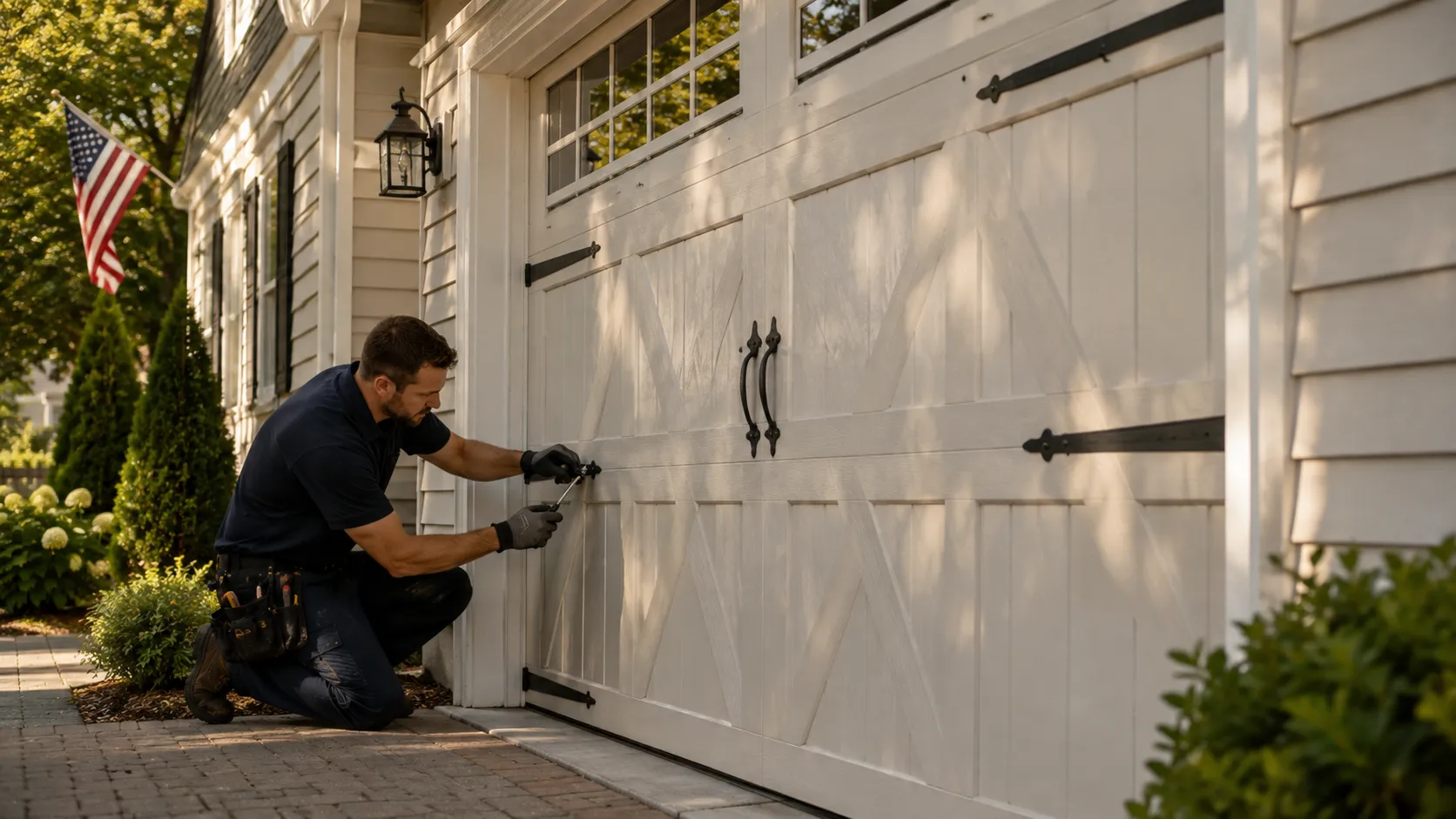
Given the age of the stock here - median build year 1976, with most homes falling between 1956 and 1997 - the failures we see fall into a short list. Torsion springs that have simply outlived their cycle count. Rollers, original steel ones in a lot of cases, that have worn down enough to bind in the track.
Weatherstripping that's cracked from decades of sun exposure rather than any single event. And insulation gaps that were never a flaw, just the standard of the day before energy codes caught up to garage doors.
What we don't see much of, honestly, is catastrophic damage from weather events - this area's mild climate doesn't produce the ice or storm damage that drives a lot of emergency work elsewhere. Most of what we're called for is fatigue, not failure: parts doing exactly what they were built to do, just for longer than anyone expected.
That's usually good news. It means a repair, not a full replacement, in most of the cases we look at.
What You Pay
We don't have a flat number to quote here, and any page that gives you one without seeing your door is guessing. What we can tell you is what drives the cost on a house like the ones common here: whether the spring size is a standard stock item or an older gauge that needs to be special-ordered, whether the track and rollers can be reused or need full replacement, and whether the door itself is worth repairing versus replacing given its age.
With a median household income of $146,710 across this service area, most owners we talk to lean toward replacing an insulation-gap door outright rather than patching around it for another decade - but that's a household decision, not something we push. One honest limitation: on some of the original hardware from the 1960s and 70s builds, exact-match parts aren't something we keep on the truck, and getting the right spring or track bracket can mean a short wait. We'd rather tell you that up front than promise a same-day fix we can't back up.
How We Can Help
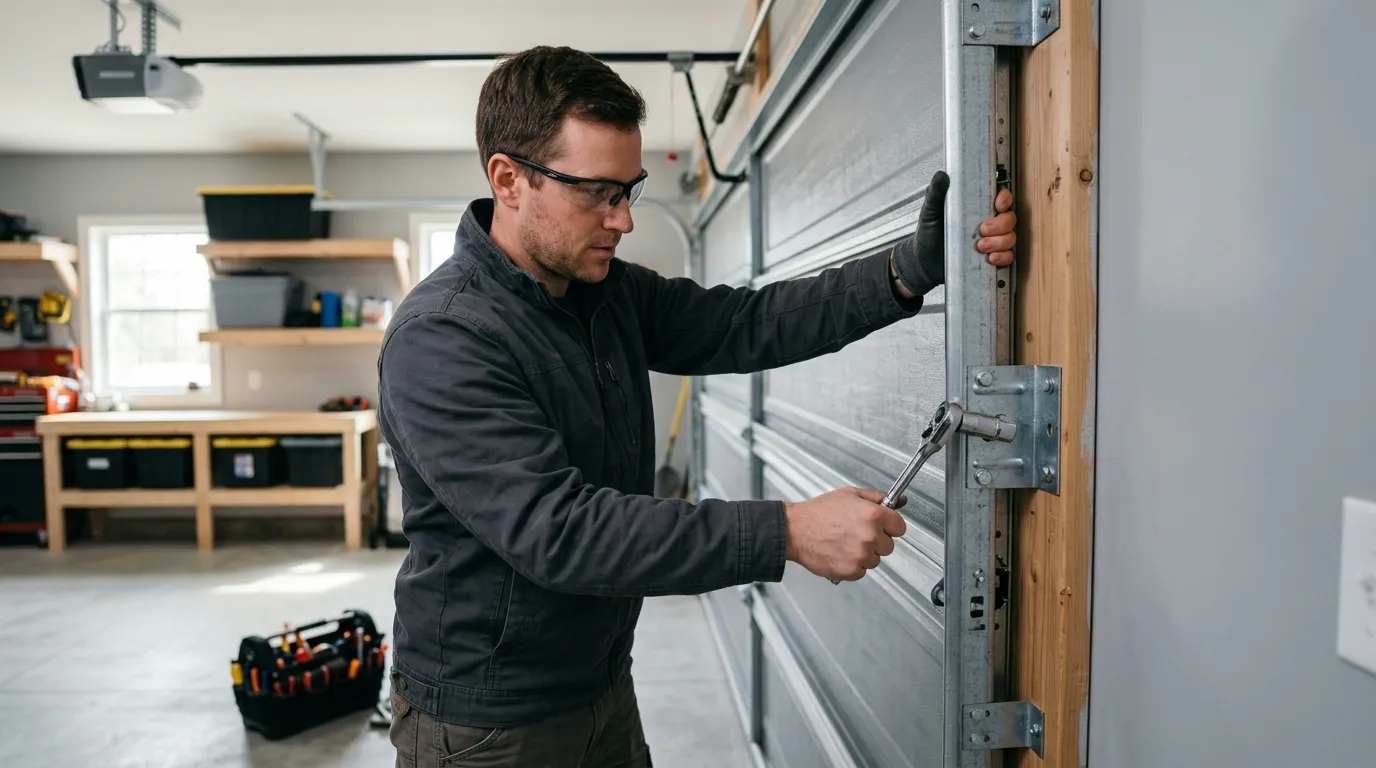
Garage Door Repair
Springs, cables, tracks, rollers, and openers fixed by a tech who explains the problem before touching anything.
Learn more →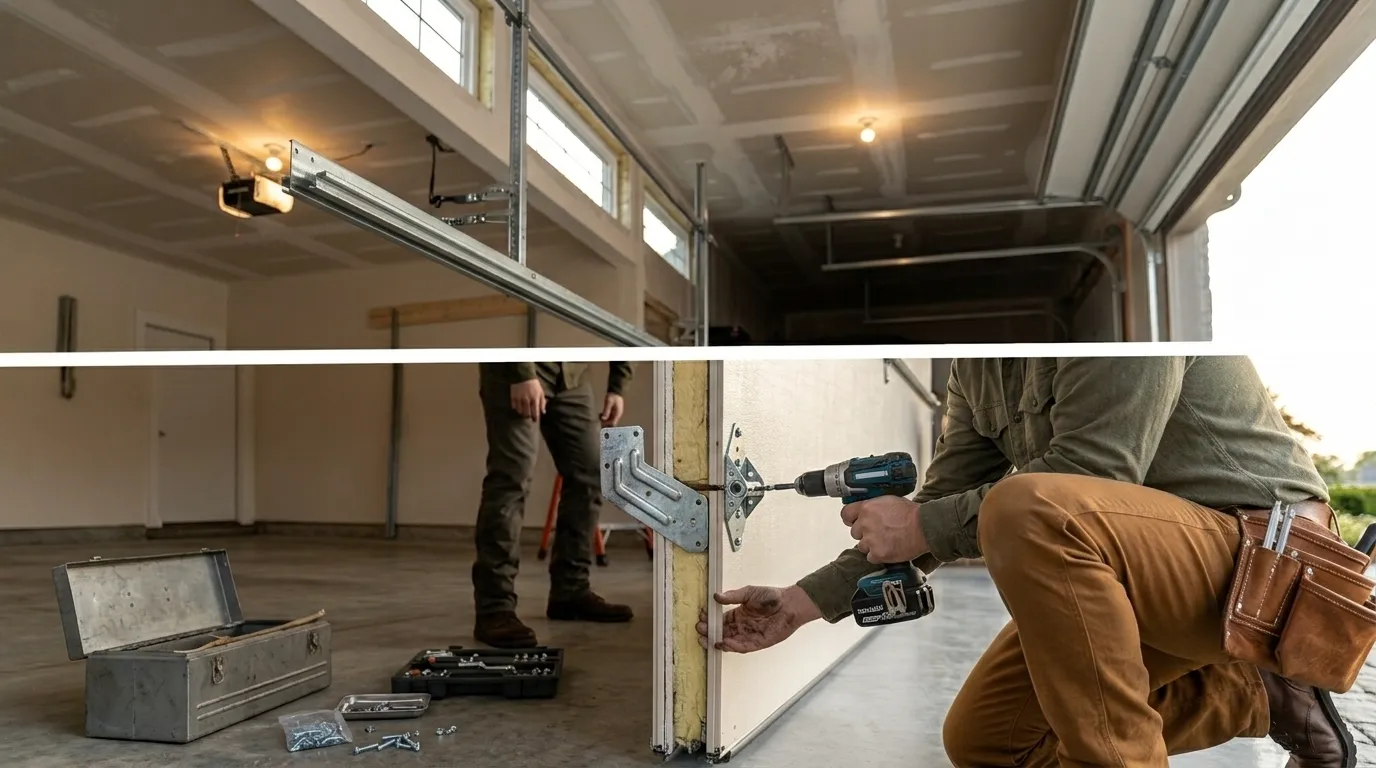
Garage Door Installation
New sectional doors sized and installed for the housing stock actually built in this area.
Learn more →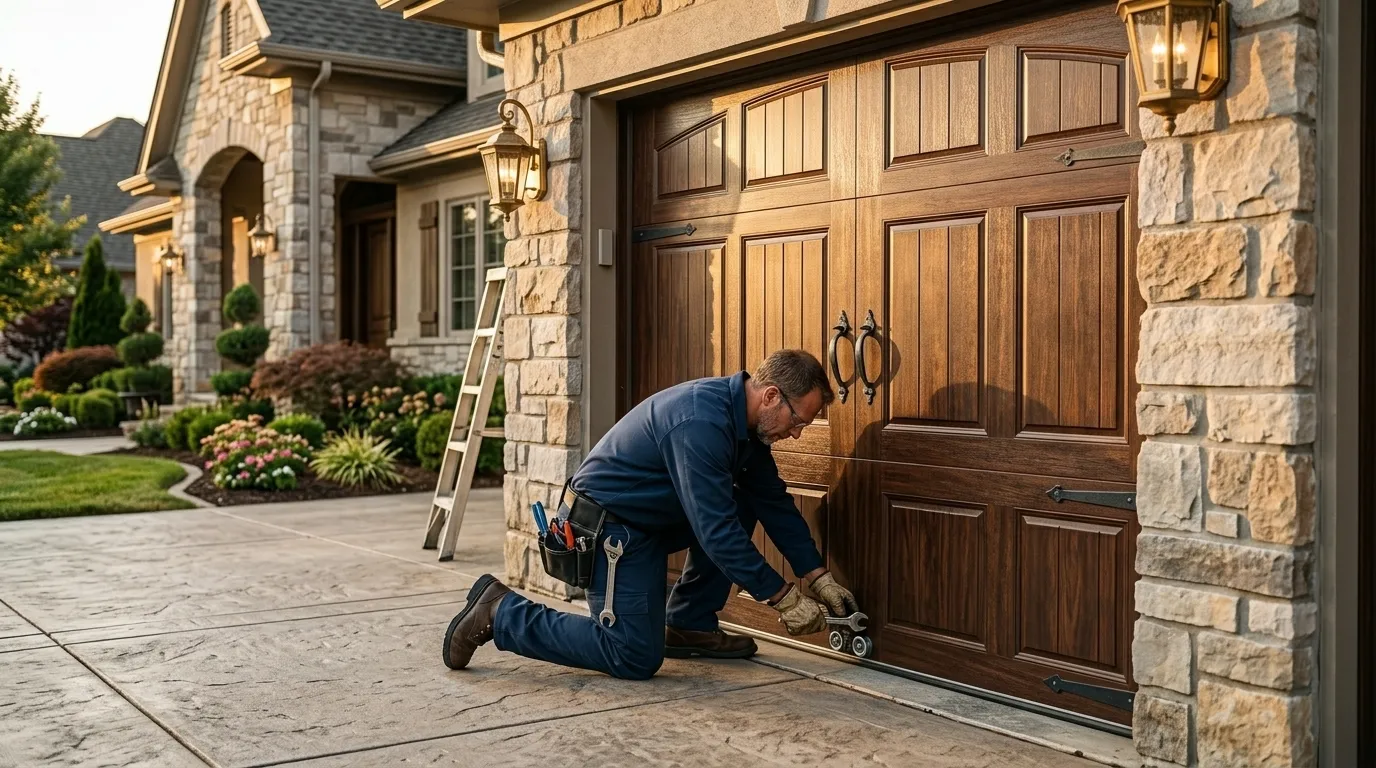
Garage Door Service
Tune-ups, lubrication, and safety checks that catch a small problem before it becomes a service call.
Learn more →Frequently Asked Questions
Is my garage door too old to repair?
Not necessarily. Age alone isn't the problem - most doors here are steel and steel holds up. The question is whether the spring, rollers, and track are worn past a reasonable repair, or whether the panel itself is warped from years of sun. We look at the door before we tell you which side of that line it's on.
Why does my door feel drafty even with the weatherstripping intact?
Because a door built before insulation rules applied - common on houses from the 1956-1997 range typical here - was never designed with a thermal break or foam core. The weatherstripping seals the gap, but it can't add insulation the panel never had. That's a replacement question, not a repair one.
Do you carry parts for older door hardware?
Standard springs, rollers, and track hardware, yes. Some original gauges from 1960s and 70s builds aren't stock items, and matching them can take a short special order rather than a same-day fix. We'll tell you which situation you're in before we start.
Have a Door That Needs a Second Opinion?
Call and describe what it is doing - we will tell you what it likely is.