
Thousand Oaks Garage Door Guide
Is Your Old Garage Door Worth Fixing, or Time to Replace It
A look at when a Thousand Oaks garage door built in the 1960s-70s boom is still worth repairing, based on the area's housing age and mild climate.
- Licensed & Insured
- Same-Area Service Calls
- Upfront Pricing
Checking It Yourself
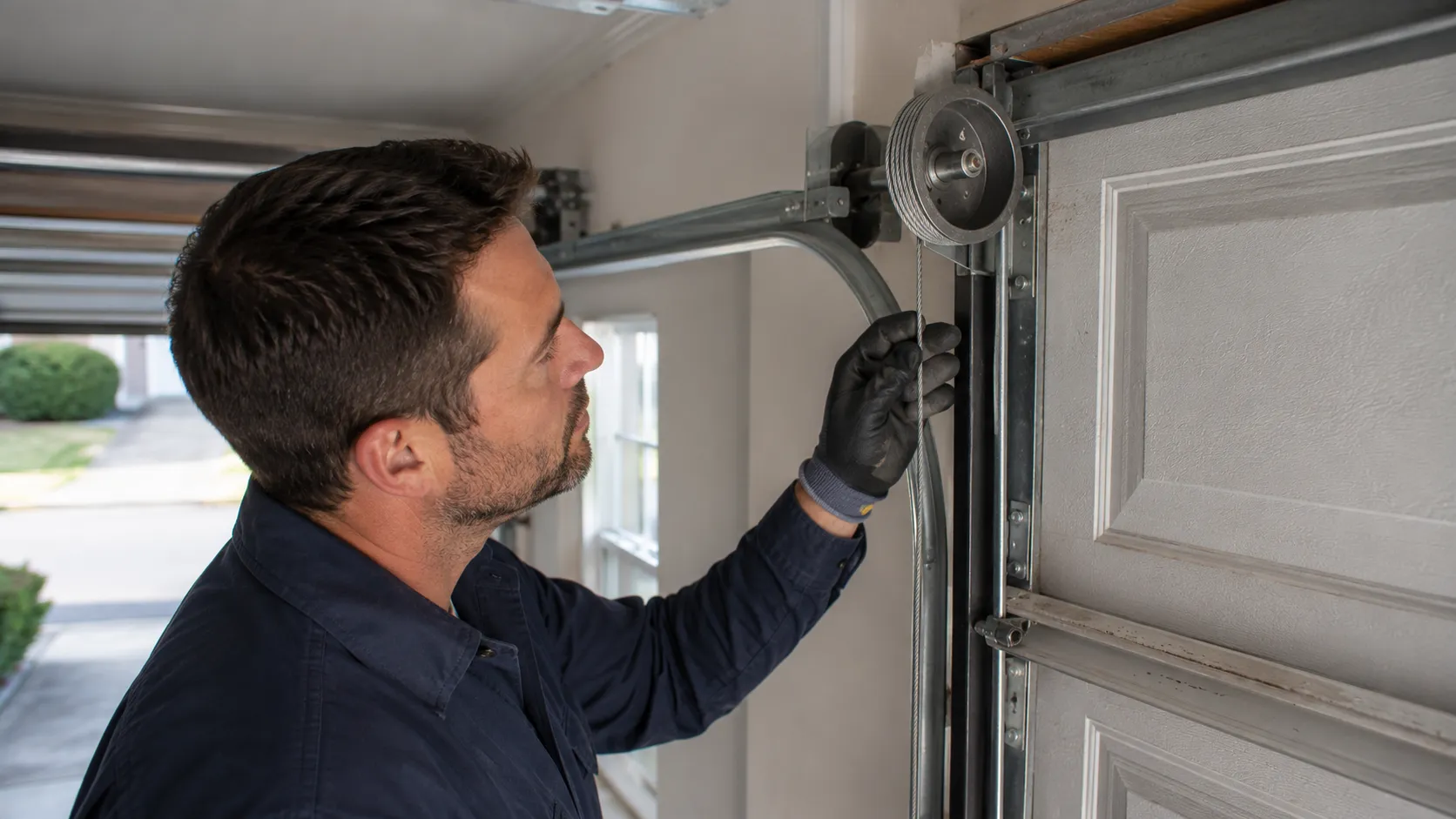
Start with the year your house went up. Most of the housing around Thousand Oaks was built between 1956 and 1997, with the heaviest concentration landing in the 1960s and '70s. If your place falls in that window, there's a decent chance the door hanging on your garage is either original or a like-for-like replacement from the same era - meaning the track, the hinges, and the spring setup are older technology than what a supply house stocks new today.
Look at the spring first. If it's a single torsion spring mounted dead center over the door, that's the older configuration common to houses from that build era. Check for rust pitting on the spring coils and flaking on the track brackets - not because Thousand Oaks sees harsh winters, but because forty-plus years of daily cycling wears galvanized coating down to bare metal eventually, storms or no storms.
Run the door by hand with the opener disconnected. A door that's hard to lift, or that drops on its own, has a spring that's lost tension - a repair, not a reason to replace anything. A door that's racked in the frame, with panels that won't sit flush, is a different problem and usually a bigger one.
What the Weather Here Does to It
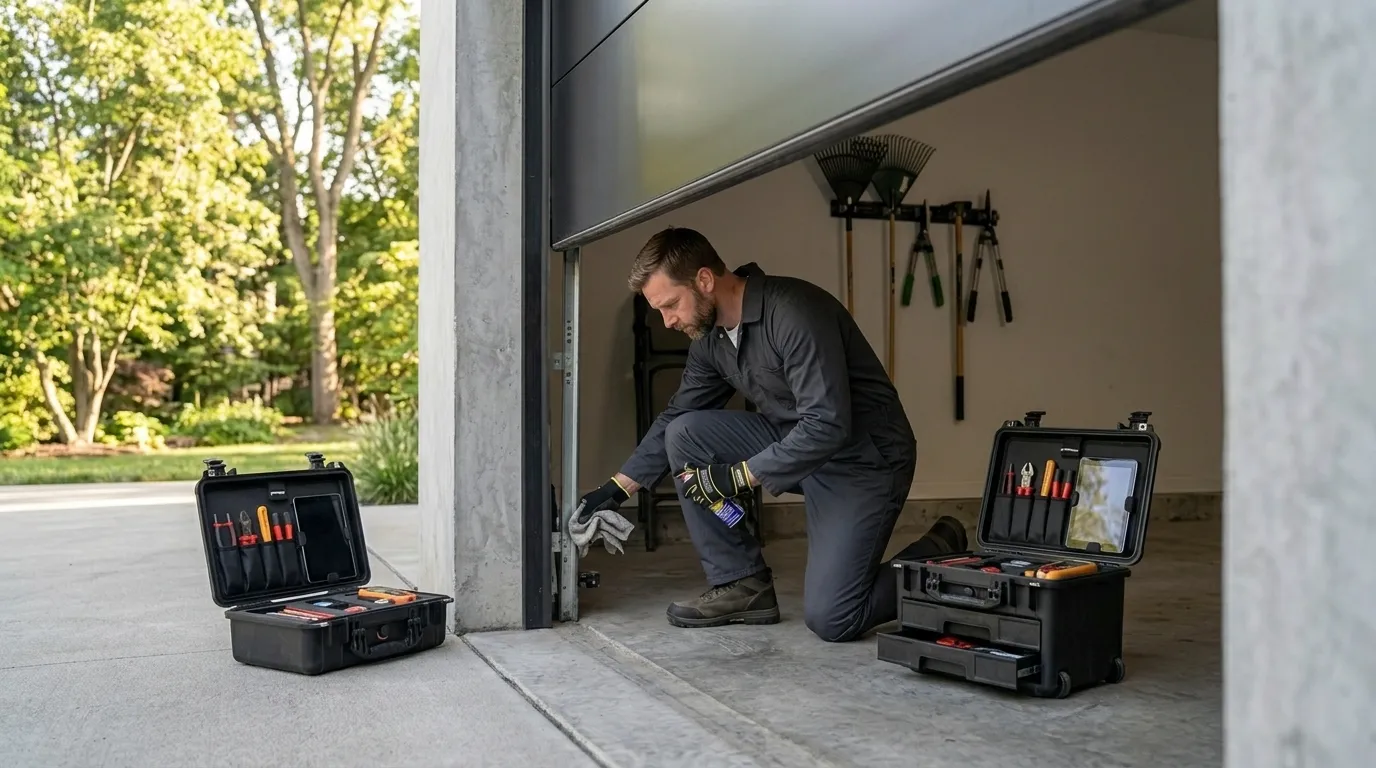
Thousand Oaks sits in a mild temperate band. That matters here because it takes freeze-thaw cracking and extreme heat swings off the table as causes of failure. Doors here don't split from ice expansion in the track, and springs don't see the kind of thermal cycling that snaps steel in places with real winters.
What that means in practice: if a door on a house built in that 1956-1997 stretch is failing, the cause is almost always age and use, not weather damage. Forty to sixty years of opening and closing wears out a torsion spring's steel regardless of climate - it's rated for a number of cycles, not a number of years, and that number runs out the same whether the door sits in Ohio or here.
The honest tradeoff is that mild weather also means less obvious warning. In a harsher climate, a rusted spring might snap visibly after a hard freeze and force the issue.
Here, a spring can wear down quietly for years, so the door just gets a little heavier to lift, a little louder, a little slower - until one day it doesn't lift at all. Don't wait for an obvious sign; the wear happens either way.
What Is Going On
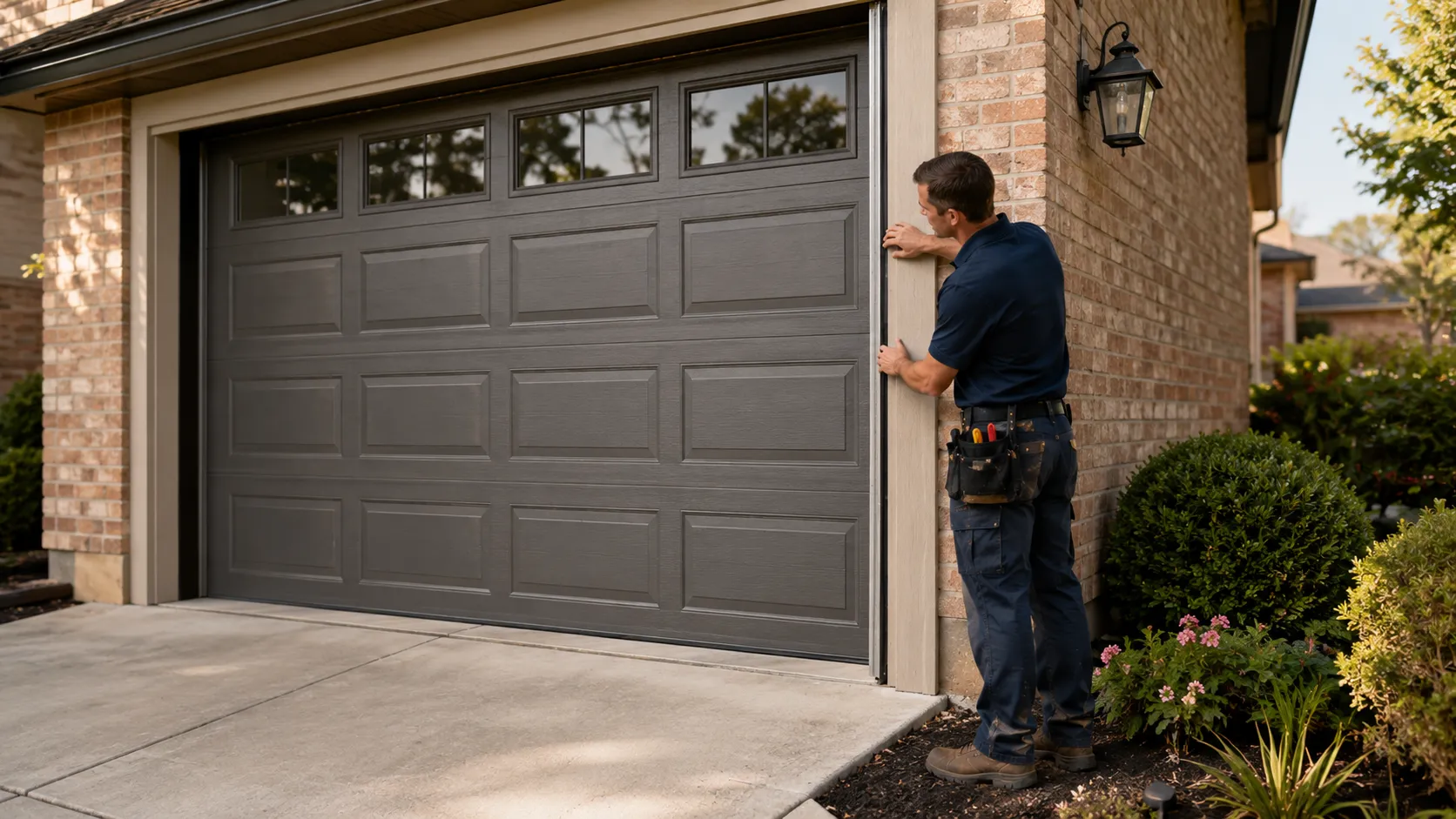
Given the housing stock across this service area - mostly built through the 1960s and '70s, median year 1976 - the most common call is a torsion spring that's simply reached the end of its cycle count. That's usually worth fixing outright: the spring gets replaced, the door itself, track, and opener stay in service.
Second most common: original hardware - rollers, hinges, the lift cables - that's never been swapped since the house was built. These wear alongside the spring and often get replaced in the same visit, since the labor to open the door up is already spent.
What's usually not worth fixing is a steel door from that same era with visible panel rust-through, especially near the bottom section where moisture collects over decades. At that point you're patching a door that's already lost structural integrity, and a new door with modern insulation and a matched spring setup is the better use of the money.
One limitation worth naming: we don't stock parts for every obsolete track configuration on the truck. Some of the oldest side-mounted hardware from houses at the early end of that 1956 range takes a special order, and that adds a day or two before the job finishes.
What You Pay
We're not going to put a number here that isn't backed by a look at your door - torsion spring size, door weight, and hardware condition all move the cost, and guessing a figure for a door we haven't seen would be worse than saying nothing.
What we can say: across the roughly 58,984 households and 29,391 owner-occupied houses in this service area, a spring or hardware repair on a door from that 1960s-70s build era is almost always cheaper than replacement, and it's the more common call we get. Median household income here runs $146,710, which means plenty of owners could replace outright without much strain - but most call because the door is fixable, not because the budget is tight.
Replacement makes more financial sense than repair once you're looking at a rusted-through panel, a bent track from an impact, or an opener old enough that parts are already hard to find. At that point, a repair bill starts creeping toward what a new door and opener would run, and you're paying twice - once now, once again in a year or two.
How We Can Help
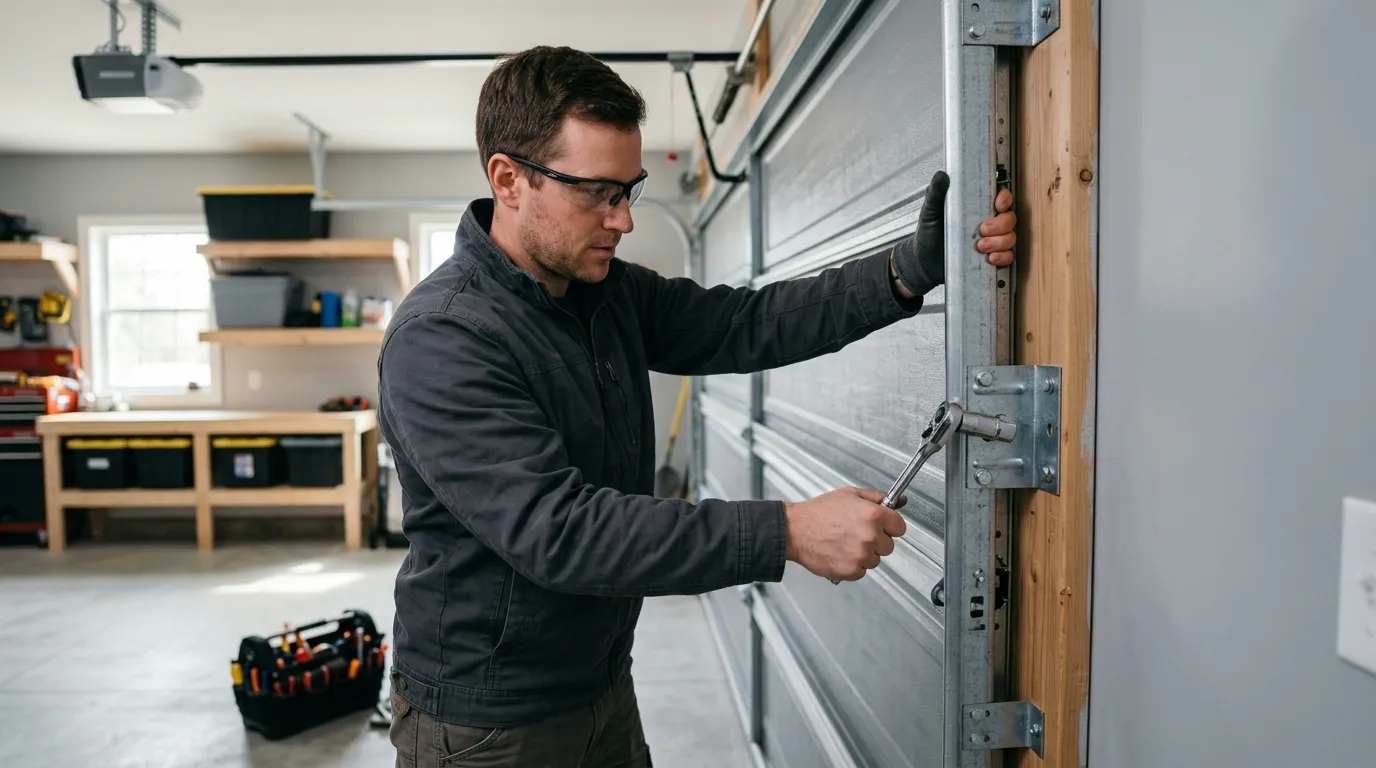
Garage Door Repair
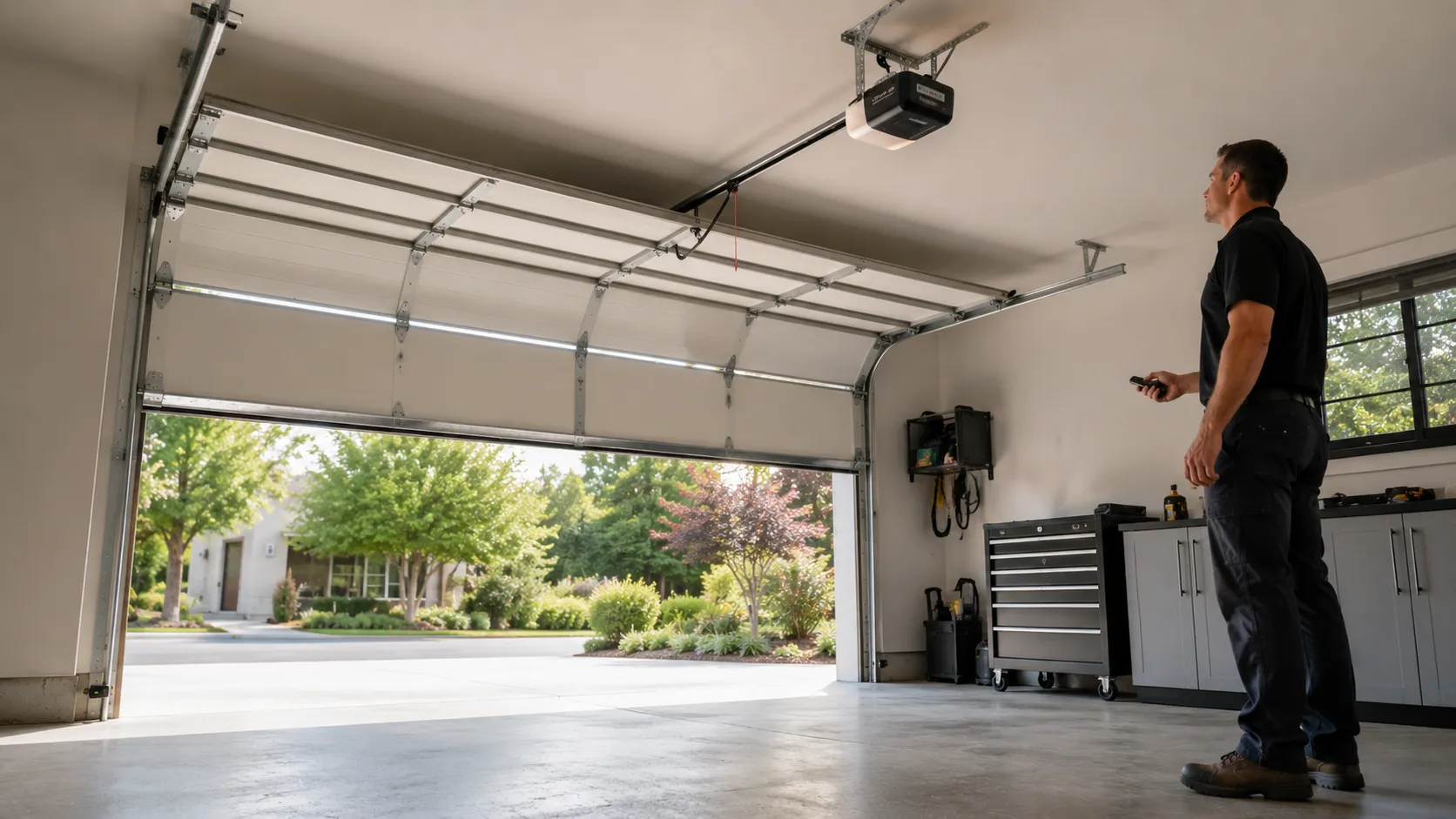
Springs, cables, tracks, rollers, and openers fixed by a tech who explains the problem before touching anything.
Learn more →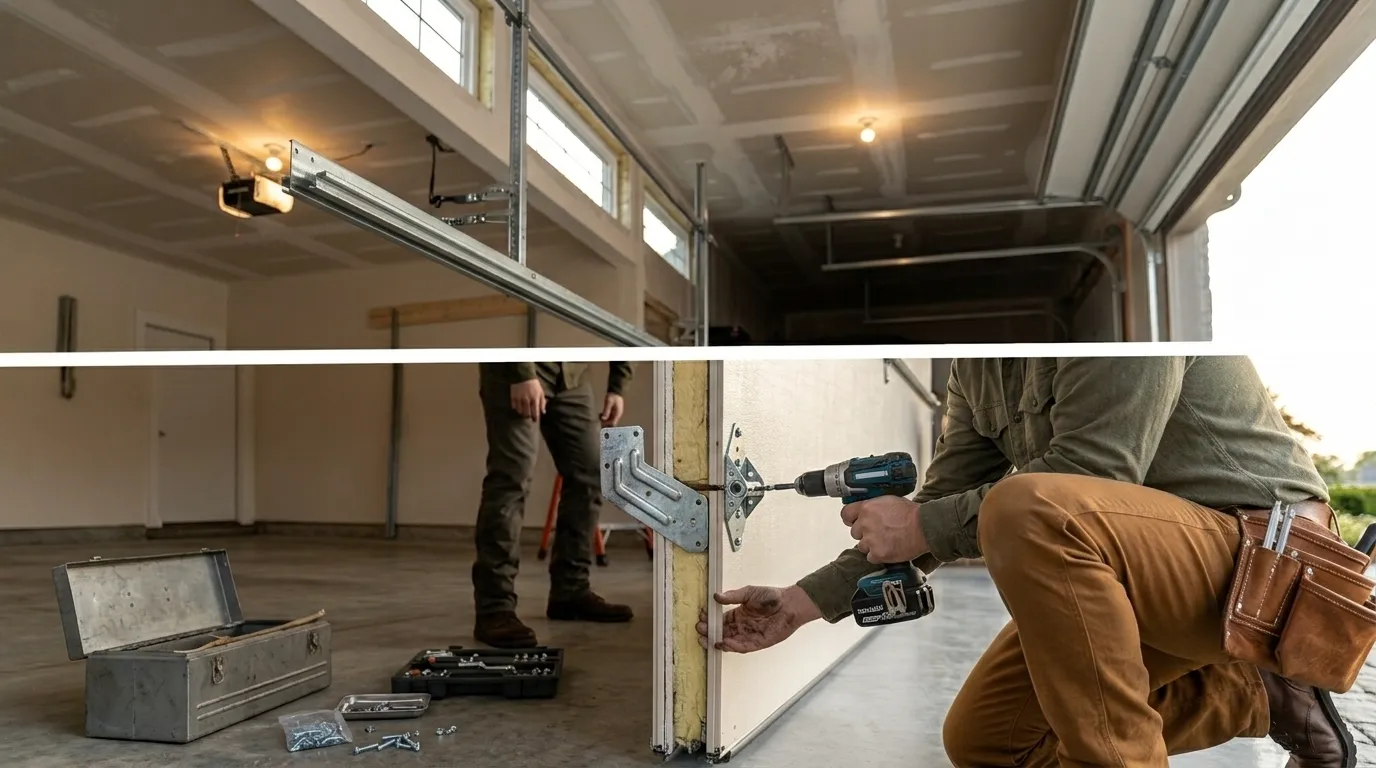
Garage Door Installation
New sectional doors sized and installed for the housing stock actually built in this area.
Learn more →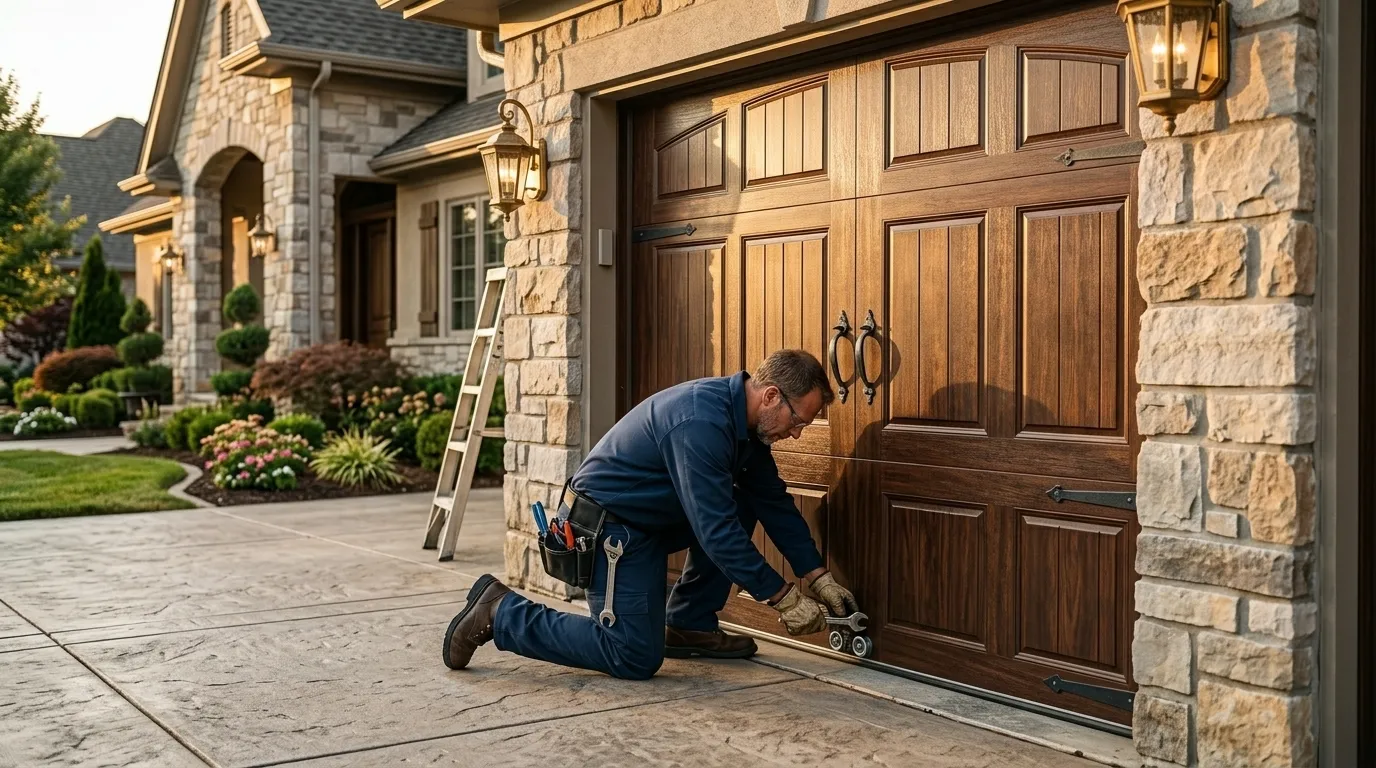
Garage Door Service
Tune-ups, lubrication, and safety checks that catch a small problem before it becomes a service call.
Learn more →Frequently Asked Questions
How do I know if my garage door is original to the house?
If your house was built between 1956 and 1997 - which covers most of this area - and the door has never been mentioned in your sale paperwork or a past repair record, it's worth assuming it could be original. A single centered torsion spring and older-style steel hinges are good signs it hasn't been swapped.
Does the mild climate here mean less maintenance?
It means less weather-driven damage - no freeze-thaw cracking, no extreme heat warping. It doesn't mean less wear. Springs and hardware still wear out from daily use on a fixed cycle count, regardless of how mild the weather's been.
Is it ever worth fixing a door instead of replacing it?
Yes, and it's the more common outcome. A worn torsion spring or original hardware on an otherwise sound steel door is usually a straightforward repair. Replacement makes more sense once the panel itself has rusted through or the track is bent out of shape.
Why would a repair take longer than expected?
Some of the oldest hardware configurations, especially side-mounted setups from houses at the early end of the 1956-1997 build range, aren't parts we carry standard on the truck. Those can need a special order, which adds a day or two to the job.
Have a Door That Needs a Second Opinion?
Call and describe what it is doing - we will tell you what it likely is.