
Thousand Oaks Garage Door Guide
When a Spring Goes in Cold Weather Around Thousand Oaks
Why springs on Thousand Oaks homes built 1956-1997 fail on cool mornings, what to check yourself, and what a repair actually costs in this service area.
- Licensed & Insured
- Same-Area Service Calls
- Upfront Pricing
Checking It Yourself
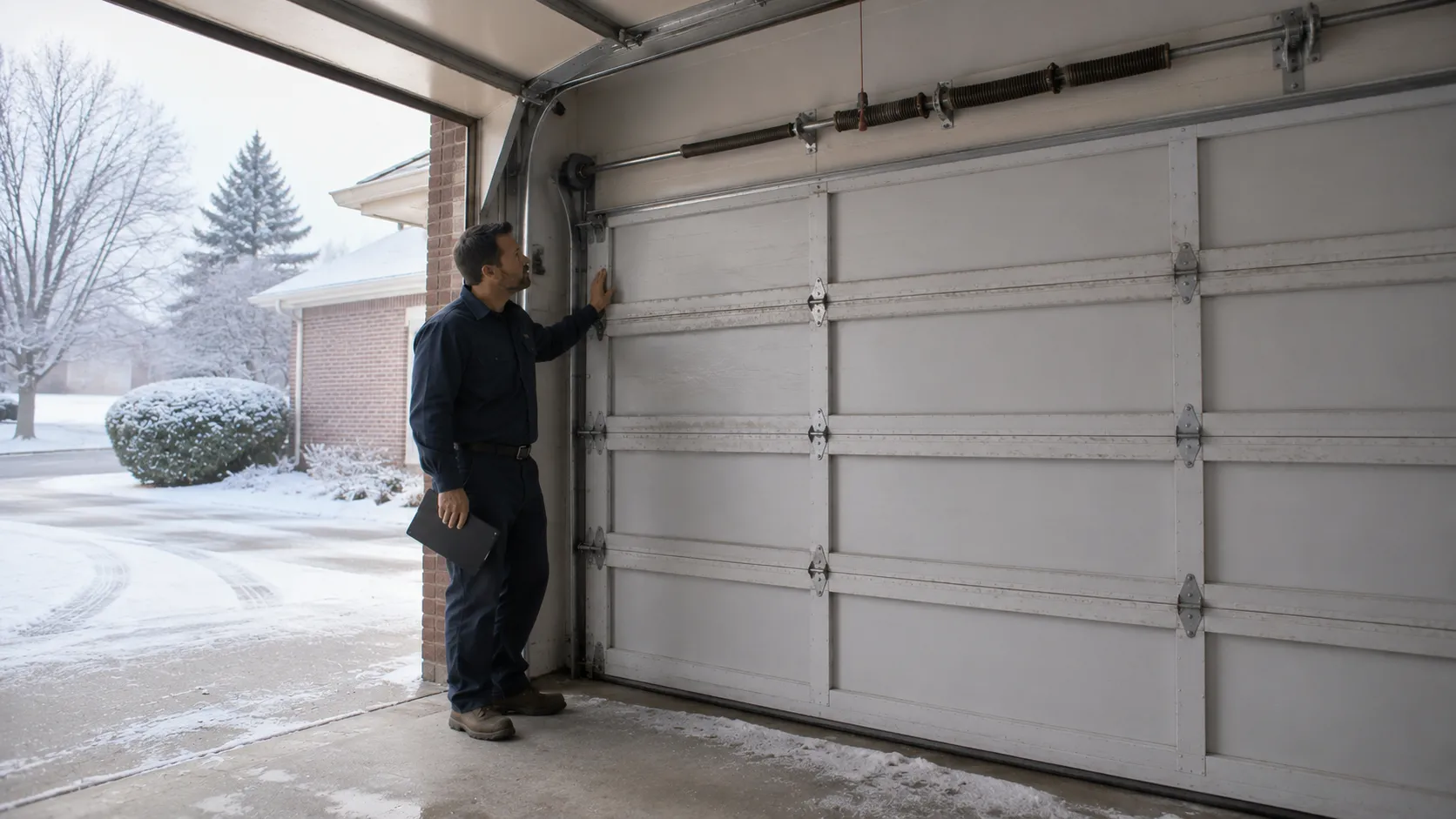
Before you call anyone, look at the spring itself. On a torsion setup - the horizontal shaft above the door, with one or two wound springs on it - a break shows up as a visible gap in the coil, usually near the center bracket. On older extension-spring setups, the kind still common on houses built in the 1960s and 70s across this area, the spring runs alongside the horizontal track and a break often looks like the spring has stretched into a long loose coil instead of a tight one.
Don't lift the door if you see a gap. A broken torsion spring means the opener is fighting the full weight of the door alone, which strains the motor and can pull the release mechanism apart. Pull the manual release, try lifting the door by hand with the spring still holding tension on the intact side, and if it feels heavy or uneven, stop and leave it.
One thing this check won't tell you: whether the second spring, if you have a two-spring shaft, is close to failing too. Springs on a shared shaft usually got installed at the same time, so a break in one is often a warning about the other, not just a problem to patch on one side.
The honest limit here - a visual check tells you the spring broke, not why. That part matters more than it sounds like.
What the Weather Here Does to It
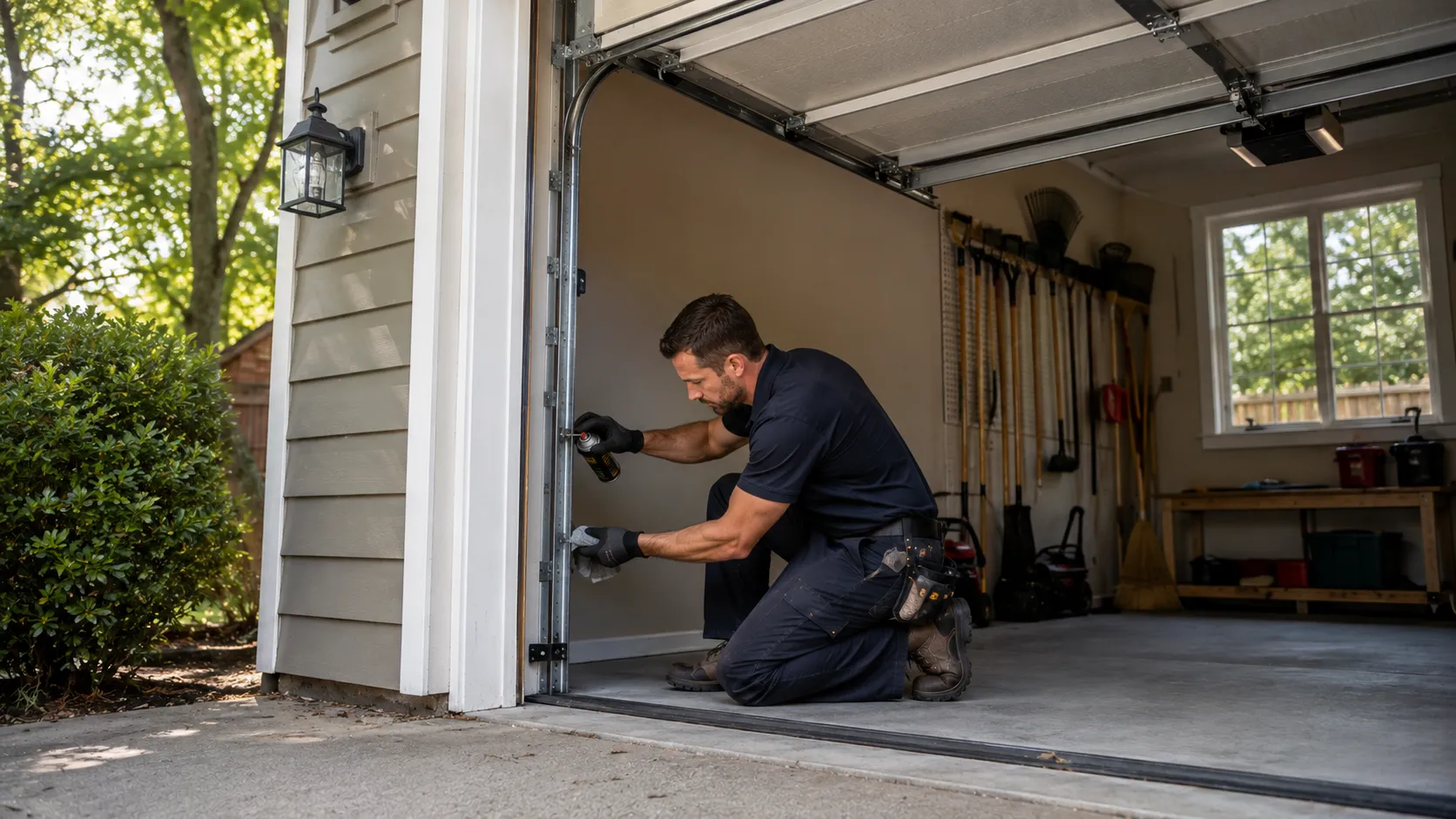
Thousand Oaks sits in a mild temperate band, not a place with hard freezes, so nobody expects garage door trouble to be a cold-weather thing. But springs don't need a freeze to fail on a cold morning - they need a swing.
Steel contracts as the temperature drops overnight, and a spring that's already fatigued from decades of cycling loses a bit more flex right at the point it's coldest, usually early morning before the sun's hit the garage. That's when a spring that had another six months in it decides it doesn't.
This isn't dramatic cold. It's the ordinary overnight dip common here, acting on metal that was already close to its limit.
A new spring shrugs it off. A spring that's fifteen or twenty years into a house built in the 1960s or 70s doesn't have the same margin.
We don't get the ice-and-snow stress that pushes spring failures in colder climates, so if you're checking this page hoping for a weather event to blame, there isn't one. It's age plus an ordinary cool morning, not a storm.
What Is Going On
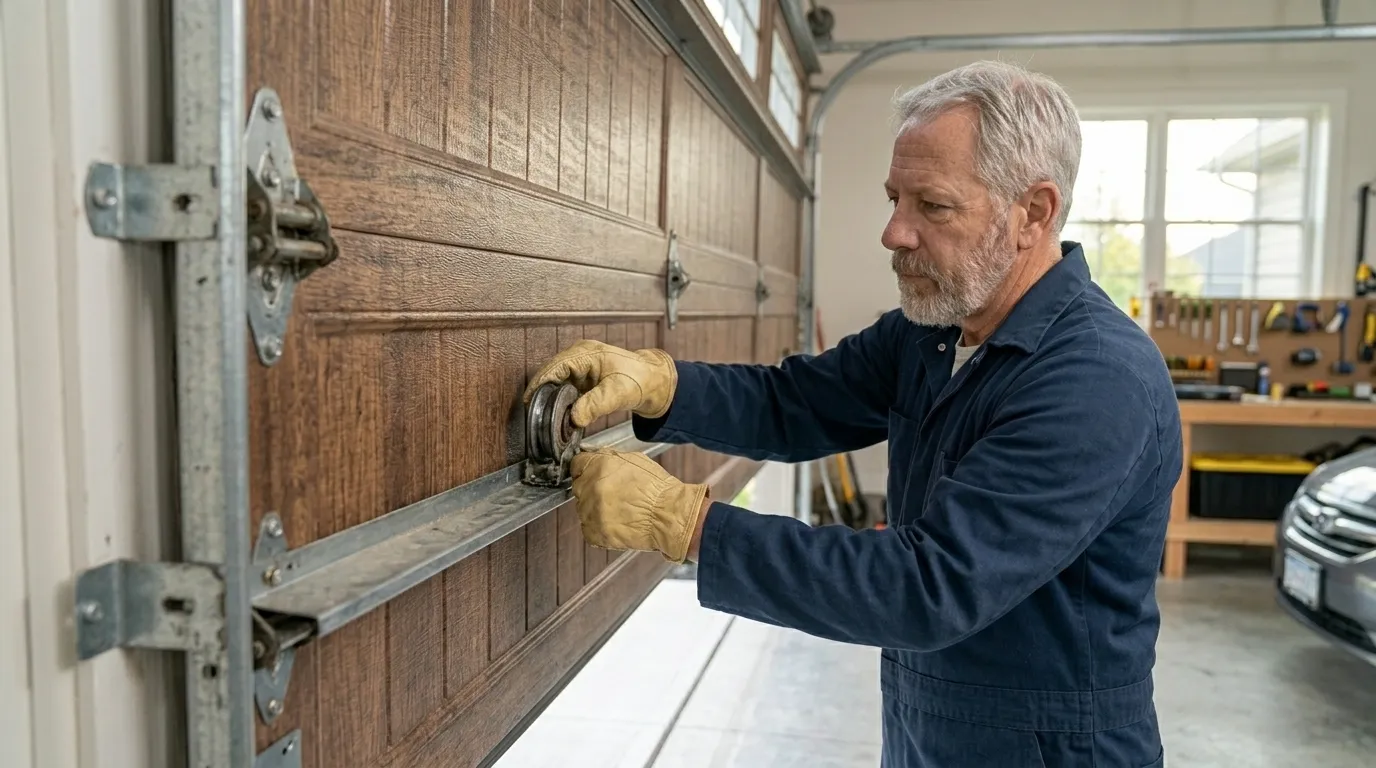
Housing across this service area was mostly built between 1956 and 1997, with the median landing around 1976 and the bulk of it concentrated in that 1960s-70s wave across the 16 named communities nearby - Newbury Park two miles off, Westlake Village, Oak Park, and the rest. That matters for springs specifically because a torsion or extension spring has a rated cycle life, and a door installed when a house was built in, say, 1968 has had roughly five decades of openings and closings to use that life up, even with no other damage.
A lot of these original setups are still running the hardware they were built with, or a like-for-like replacement spring put in without upgrading the mount or adding a second spring for balance. That's not a defect, it's just what forty-plus years does to a wound spring. The failure point tends to be a cold morning simply because that's when the last bit of flex the metal had runs out.
What this doesn't mean: that every older door is about to go. Plenty of springs replaced even ten or fifteen years ago in these houses still have life left. The age of the house tells you the door is a candidate for this, not that it's certain.
What You Pay
I don't have a set price to quote you here without seeing the door - spring size, whether it's a single or double door, and whether it's torsion or extension all change the number. What I can tell you is what the area looks like: this is a market with a median household income around $146,710 and close to 30,000 owner-occupied houses, so most of what we see is people maintaining a house they plan to stay in, not flipping. That usually means fixing the spring properly rather than the cheapest patch.
If your door is original to a house from the 1960s or 70s, replacing both springs on a two-spring shaft at once is usually the better call even if only one broke, since the other is on the same clock. That costs more up front than a single spring but saves a second call.
Get the actual number before you commit to anything - call and describe the door, or better, let us look at it in person.
How We Can Help
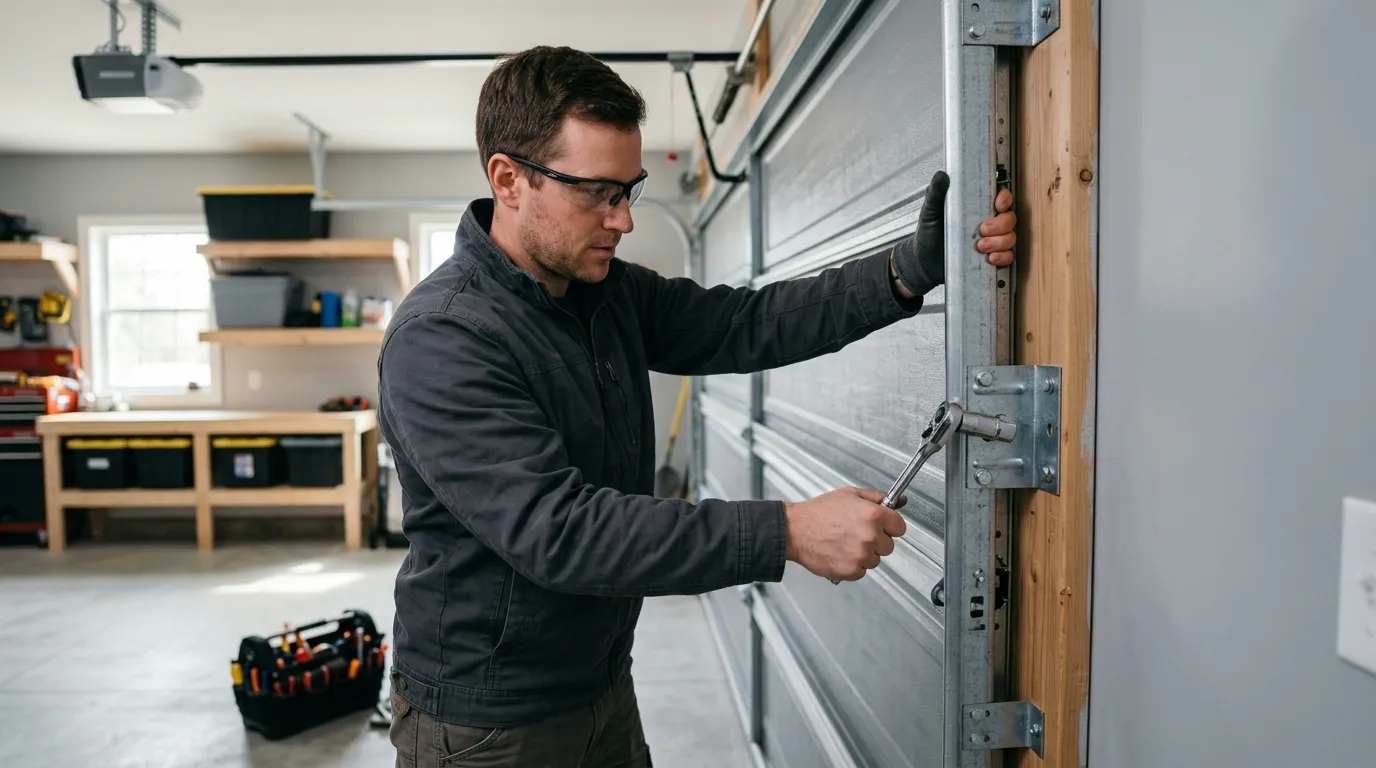
Garage Door Repair
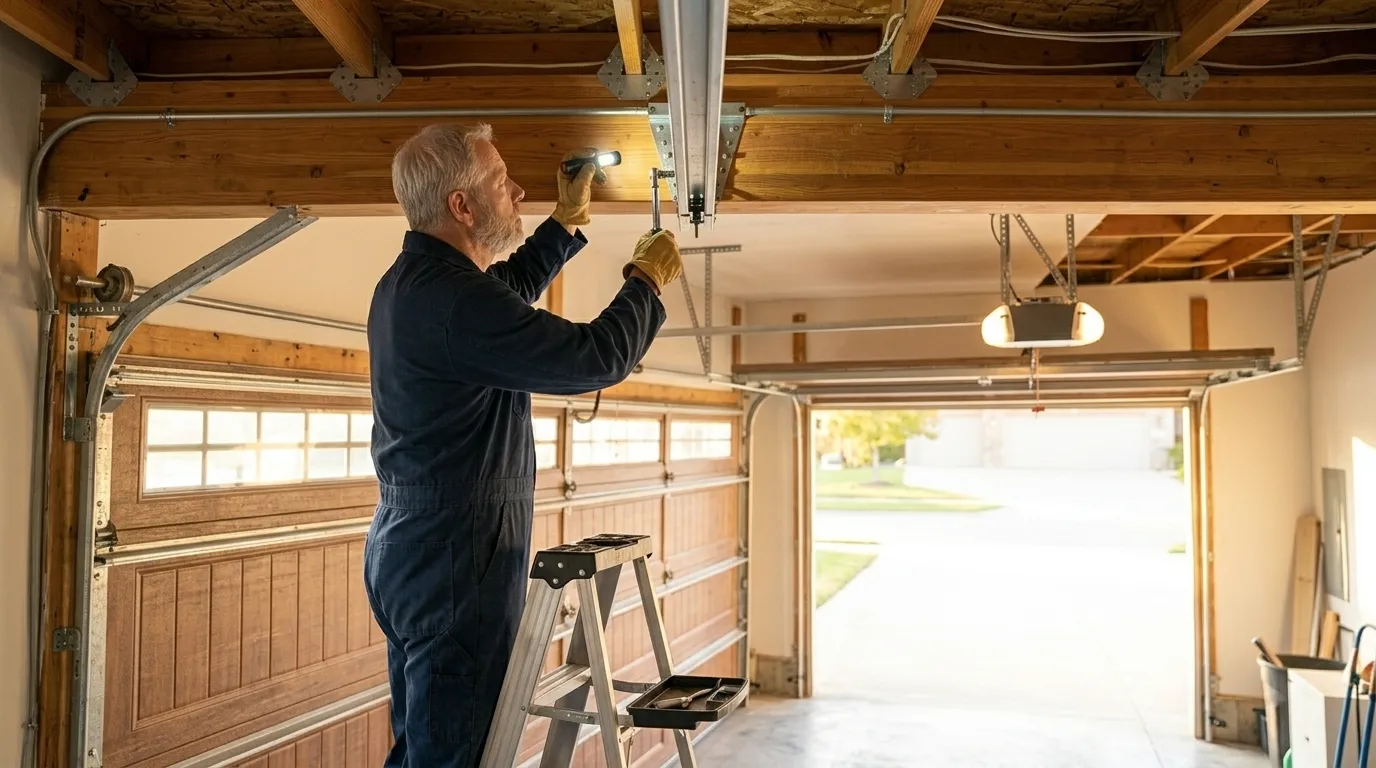
Springs, cables, tracks, rollers, and openers fixed by a tech who explains the problem before touching anything.
Learn more →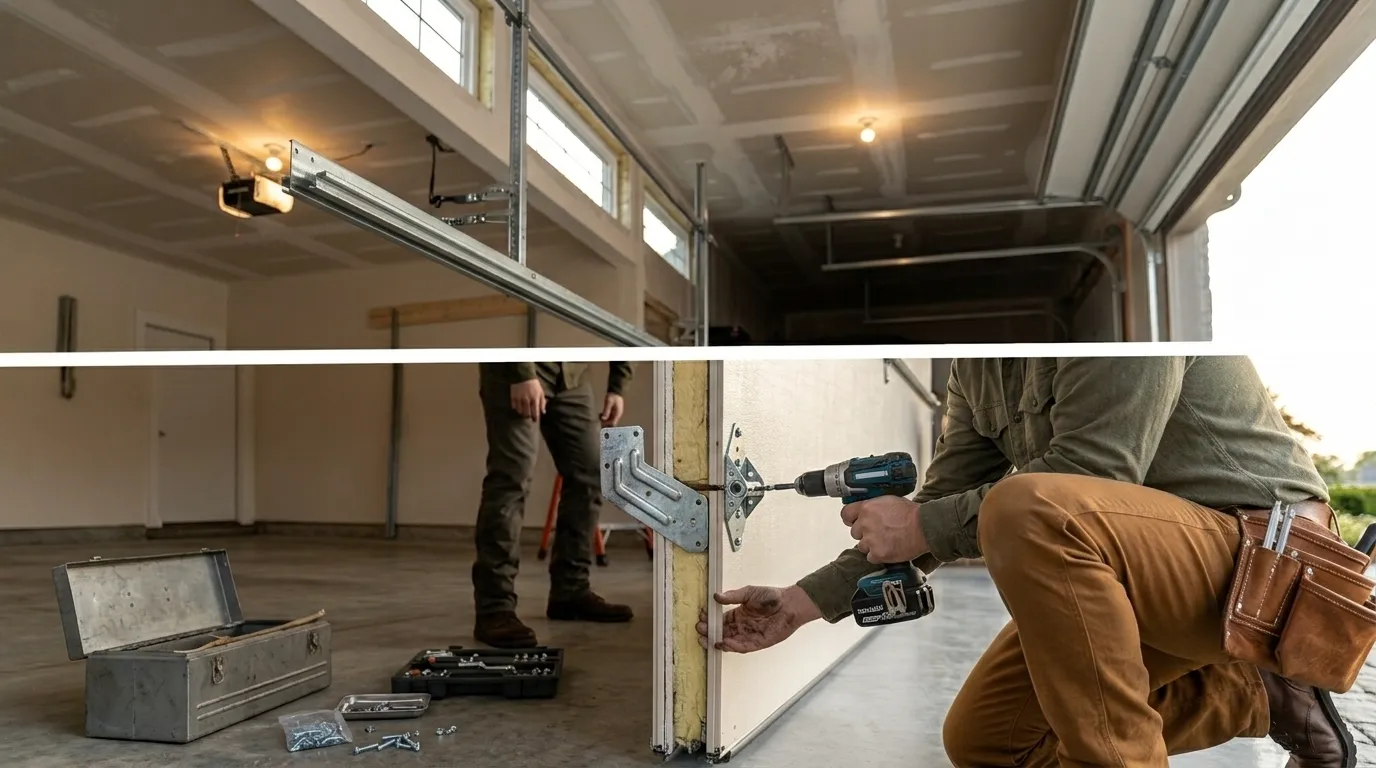
Garage Door Installation
New sectional doors sized and installed for the housing stock actually built in this area.
Learn more →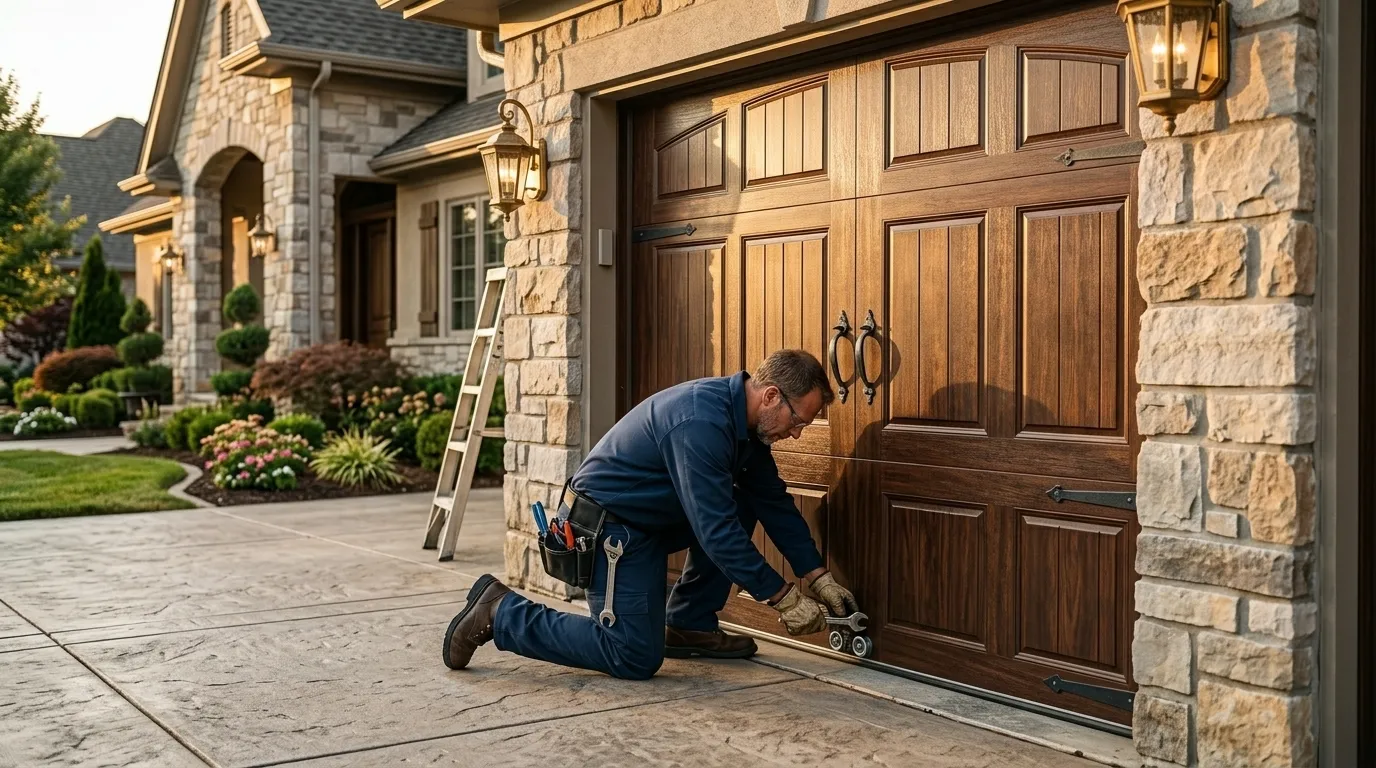
Garage Door Service
Tune-ups, lubrication, and safety checks that catch a small problem before it becomes a service call.
Learn more →Frequently Asked Questions
Does Thousand Oaks get cold enough to break garage door springs?
Not in the way people think. The area sits in a mild temperate band with no hard freezes, but springs don't need a freeze - they need a temperature swing acting on metal that's already fatigued. An ordinary cool overnight dip is enough to be the final straw on a spring that's near the end of its cycle life.
My house was built in the 1970s - is the spring original?
It's possible. Housing in this area runs mostly 1956 to 1997 with a lot concentrated in the 1960s-70s, and plenty of those doors still run original or like-for-like replacement hardware. If nobody's touched the spring since the house was built, it's carrying decades of open-close cycles and is a reasonable candidate for failure.
Should I replace one spring or both?
If your door has two springs on a shared torsion shaft, they usually went in together and have logged the same cycles. When one breaks, the other is often close behind. Replacing both at once costs more than a single spring but avoids a second service call a few months later.
Have a Door That Needs a Second Opinion?
Call and describe what it is doing - we will tell you what it likely is.