
Thousand Oaks Garage Door Guide
What Actually Happens on a Service Call
Thousand Oaks houses mostly date to the 1960s-70s, median 1976. Here's what a real service call checks, how the mild climate wears parts, and what drives the price.
- Licensed & Insured
- Same-Area Service Calls
- Upfront Pricing
Checking It Yourself
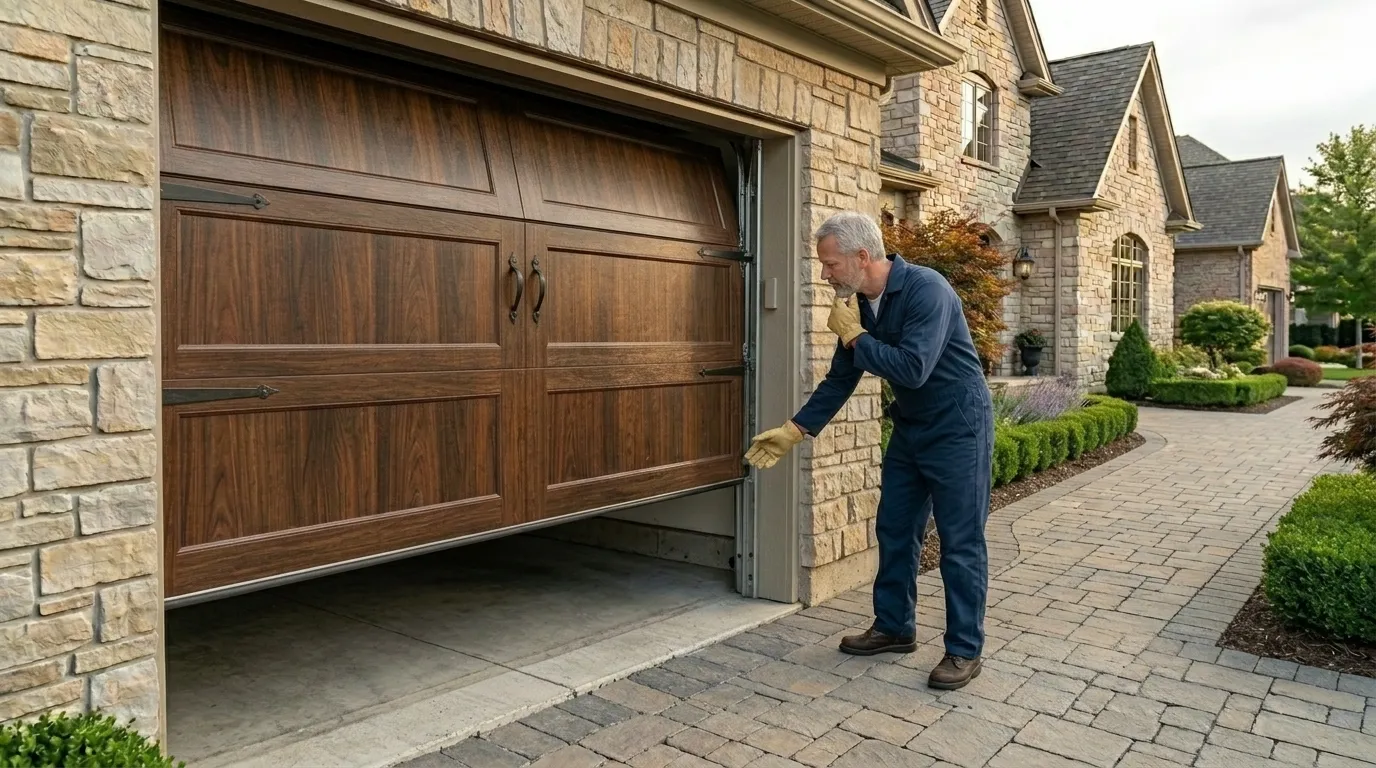
Before you call anyone, look at three things. First, the springs above the door - if one side of the coil looks stretched or there's a visible gap in the wind, that's a broken torsion spring, and you should not touch it. Second, the rollers.
Houses through here went up mostly between 1956 and 1997, median build year around 1976, so a big share of doors are still running original steel rollers in the vertical tracks rather than the nylon ones that came later. Steel rollers grind and squeal long before they fail outright - that noise is your warning, not an emergency. Third, pull the release handle with the door down and try lifting it by hand.
It should move with two fingers of effort. If it's heavy, the spring tension is off, and that's a call, not a DIY fix. What you can't check yourself: cable fray at the drum, opener gear wear inside the housing, and whether the track is bolted to jamb framing that's shifted with the house's age.
Those need a tech with the cover off and a flashlight, not a guess from the driveway.
One honest note: if your door is original to a house built in the 60s or 70s, a lot of what's wrong with it isn't a quick fix - it's the door telling you it's done.
What the Weather Here Does to It
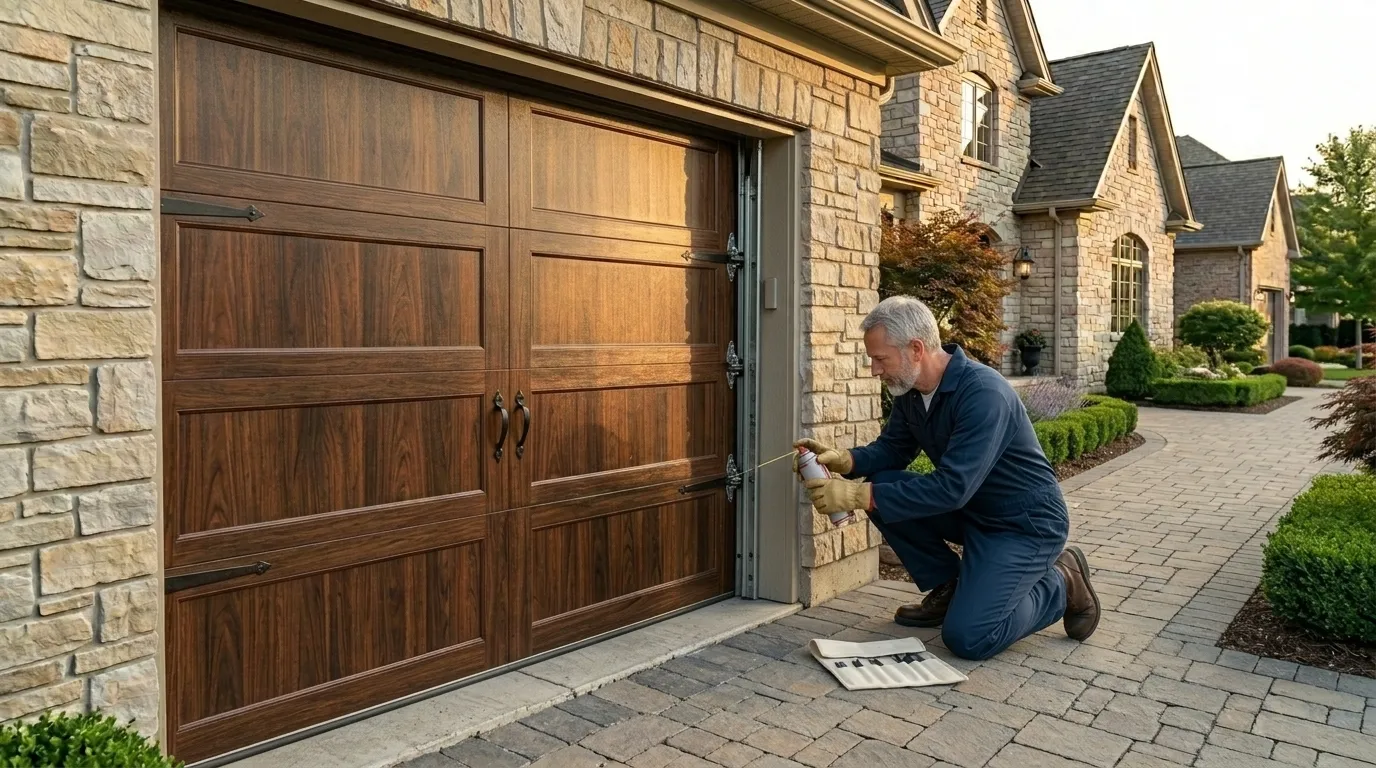
Thousand Oaks sits in a mild temperate band, which spares your door the worst of what wrecks hardware elsewhere - no ice jamming the track, no freeze-thaw cracking the slab under the rail. That's the good news, and it's real. What the same climate does instead is dry things out.
Nylon rollers, weatherstrip, and the rubber grommets in cable drums all lose flexibility faster under steady sun and low humidity than they would somewhere wetter, and owners don't notice until the seal is cracked clean through or a roller has gone from quiet to rattling. On a lot of the 1960s and 70s stock we see, the metal hardware has held up fine - it's the rubber and plastic parts added or replaced over the decades that show their age first. We don't get called out for storm damage the way a lot of companies do.
We get called out because a 15-year-old seal finally gave up, or a roller that's been drying out since the Clinton administration finally seized. Different failure pattern, same result: a door that won't seal or won't move smooth.
What Is Going On
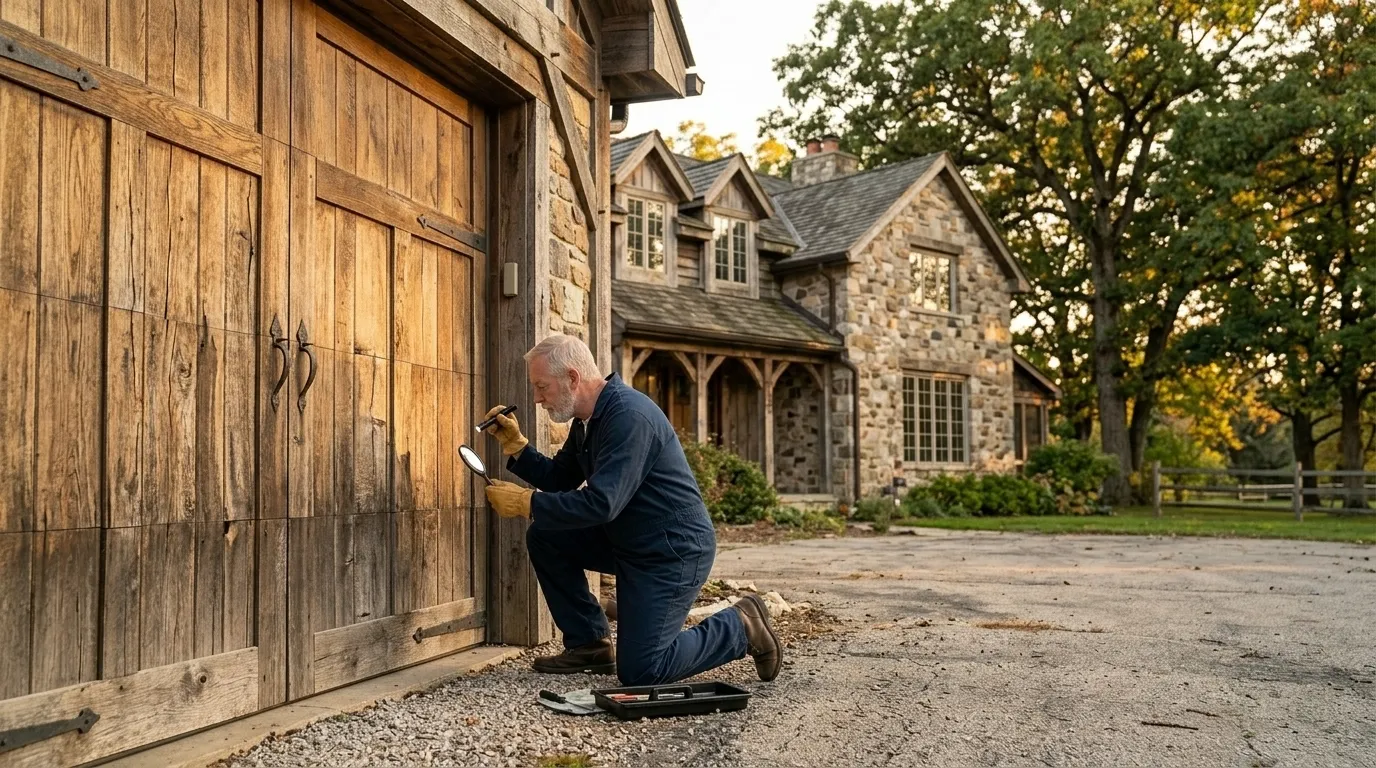
A service call starts with the spring system, because it's the part most likely to hurt someone and the part most likely to be original. On the stock we see most - 1960s-70s builds across the neighborhoods we run to, plenty of it never upgraded since - that means checking wind count and wire gauge against a door that may have had panels replaced since the springs were sized. Next is the track and rollers: are they bolted true, is the horizontal run level, is the roller wearing the track unevenly on one side.
Then the opener, if there is one - gear condition, travel limits, the sensor eyes at the bottom of the track, which get bumped or knocked out of alignment more than anything else on the whole door. Last is the cable and drum, checked for fray and for whether the cable is even the right length for the door hanging in front of us. We run calls from Newbury Park just west of here out through the surrounding area, and the pattern repeats - same builders, same decades, same original hardware showing up on the bench more often than not.
What You Pay
We don't post a flat number here because what a call costs depends entirely on what's actually wrong, and on a door this age that's rarely just one thing. A worn roller on a door with everything else sound is a short visit. A spring replacement on an original 1970s door, where the drum, cable, and hardware haven't been touched since install, usually turns into more than a spring swap once it's opened up - that's not upselling, that's just what 50-year-old hardware looks like once you're in there.
The area has a median household income around $146,710 and close to 30,000 owner-occupied houses, which tells you there's a real market for doing the job right rather than the cheapest patch - and that's generally what we see people choose once they understand what's actually failing. Our honest limitation: we don't quote a firm price over the phone for anything beyond a basic spring or roller job, because guessing at a number for a door we haven't seen does you no favors when it turns out different in person.
How We Can Help
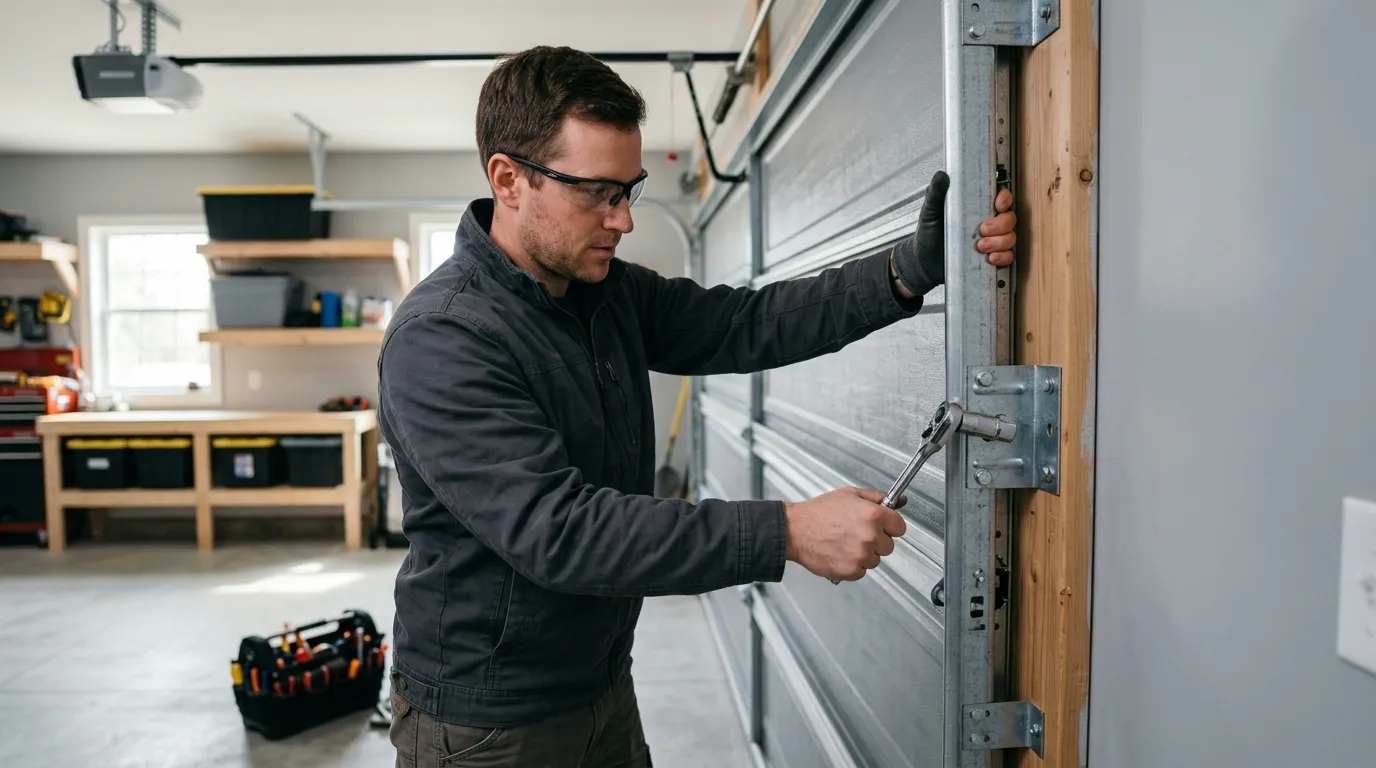
Garage Door Repair
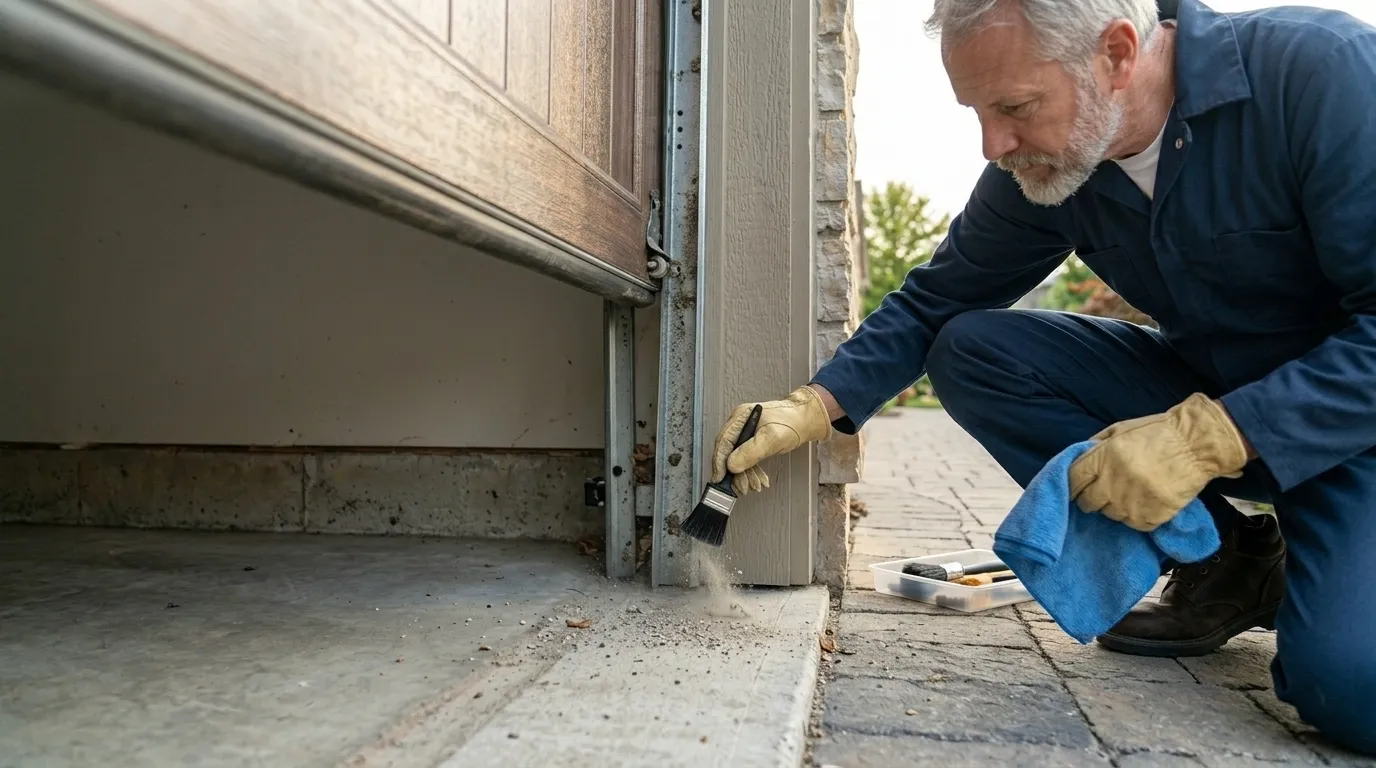
Springs, cables, tracks, rollers, and openers fixed by a tech who explains the problem before touching anything.
Learn more →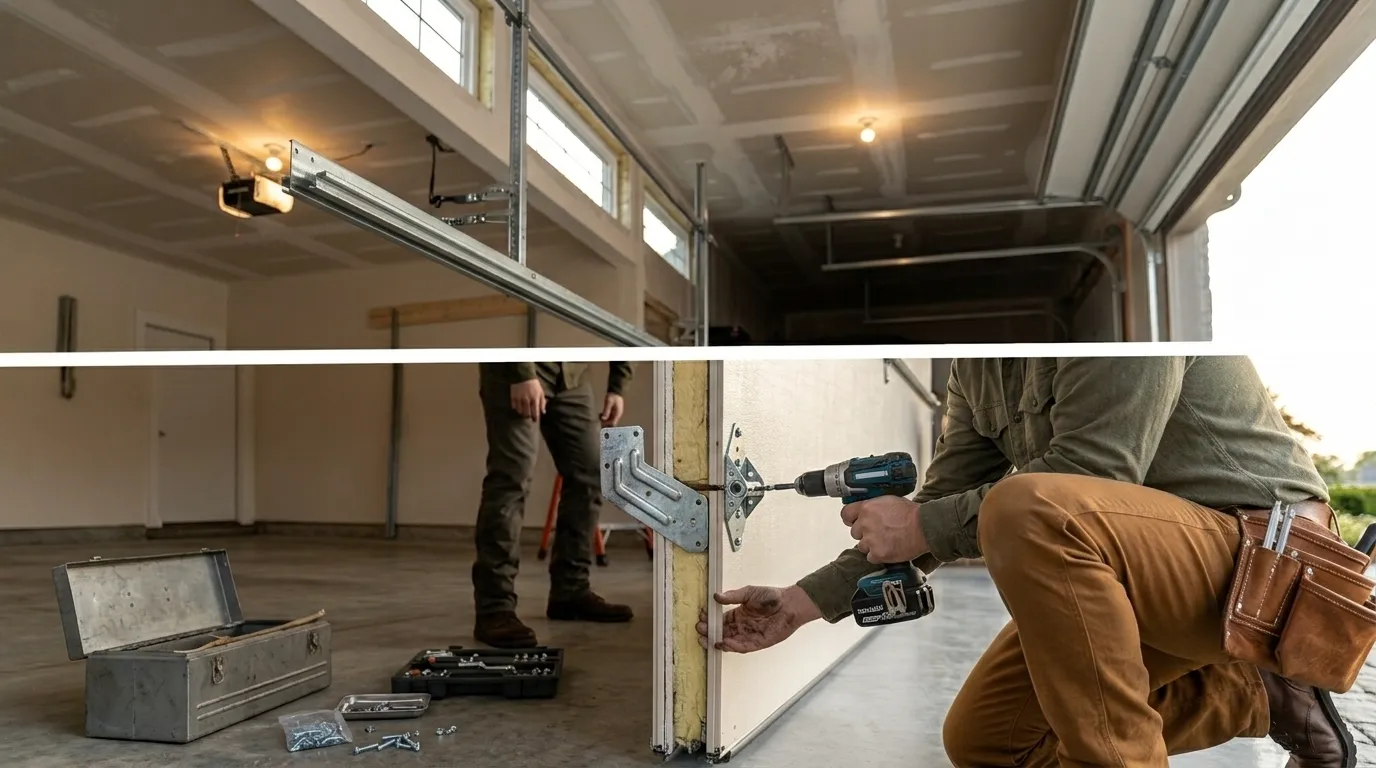
Garage Door Installation
New sectional doors sized and installed for the housing stock actually built in this area.
Learn more →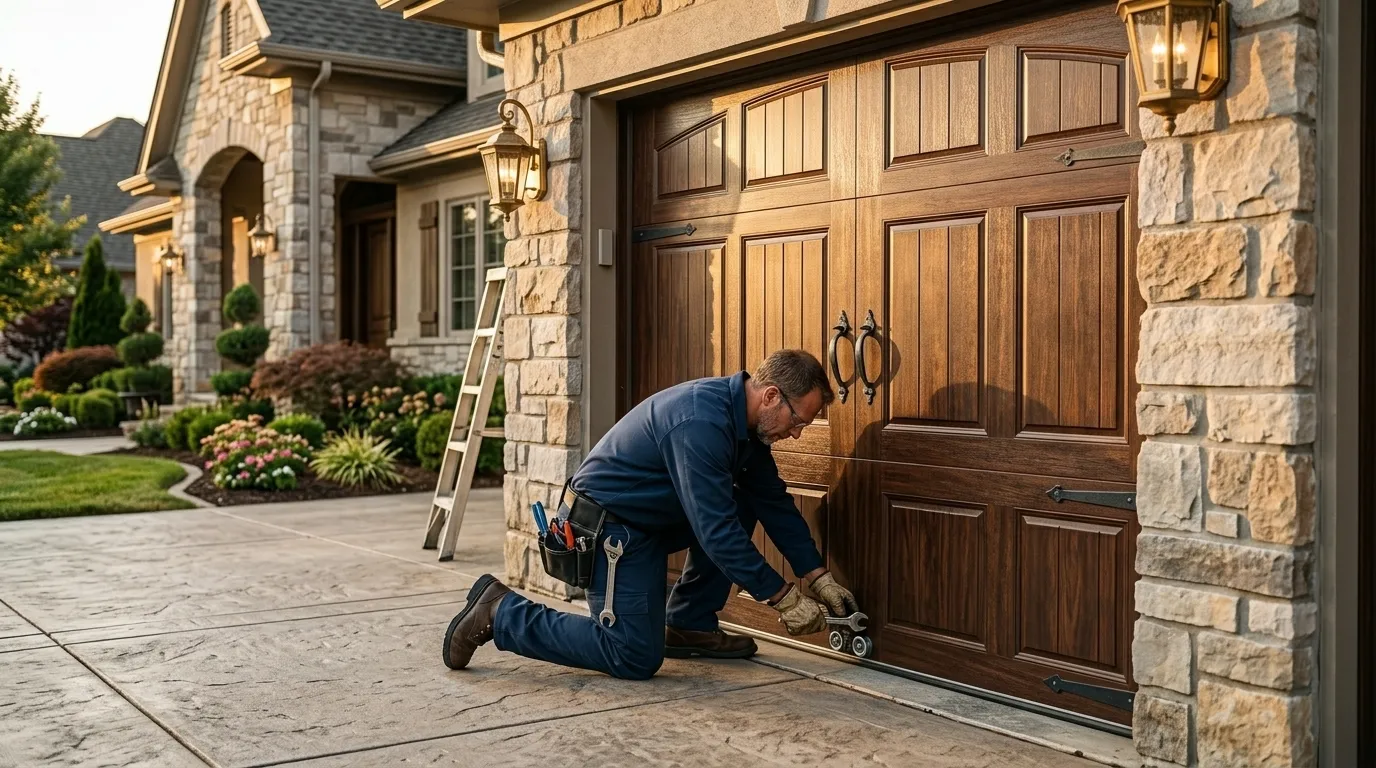
Garage Door Service
Tune-ups, lubrication, and safety checks that catch a small problem before it becomes a service call.
Learn more →Frequently Asked Questions
Do you cover Newbury Park and the surrounding area, not just Thousand Oaks itself?
Yes. Newbury Park sits about two miles west-southwest of the areas we work, and the housing stock there matches what we see everywhere else nearby - 1960s and 70s builds with a lot of original hardware still in place. Same call, same checks, same parts on the truck.
Why does my door feel heavier than it used to?
Usually it's spring tension losing its edge over time, especially common on doors original to the 1956-1997 building era around here. A spring that's held tension for decades gradually gives, and the door gets heavier by hand well before it snaps outright. That's worth a call before it does snap.
Does the mild climate here mean less maintenance?
Less of some kinds, more of another. You won't deal with ice-jammed tracks or freeze cracking. But steady sun and dry air age rubber seals and nylon rollers faster than owners expect, so the maintenance shifts toward those parts rather than disappearing altogether.
Have a Door That Needs a Second Opinion?
Call and describe what it is doing - we will tell you what it likely is.